

Follow and Find (A Prayer for Lent)
Follow and Find
A Prayer for Lent
Contrary to popular belief, Lent is not about “facing temptation” or “giving things up”. Furthermore, it is not a reenactment or copying the forty day fast of Christ. Instead, Lent is all about following the Spirit and finding strength in God’s Word. Two things that Jesus did while fasting in the wilderness, and Christians have done for centuries.
Following the Spirit and finding strength in God’s Word are pillars of the Christian faith. They are also essentials for life and faith that must be done every day. During Lent we are invited to do these things with more intention and commit to practicing them at all times.
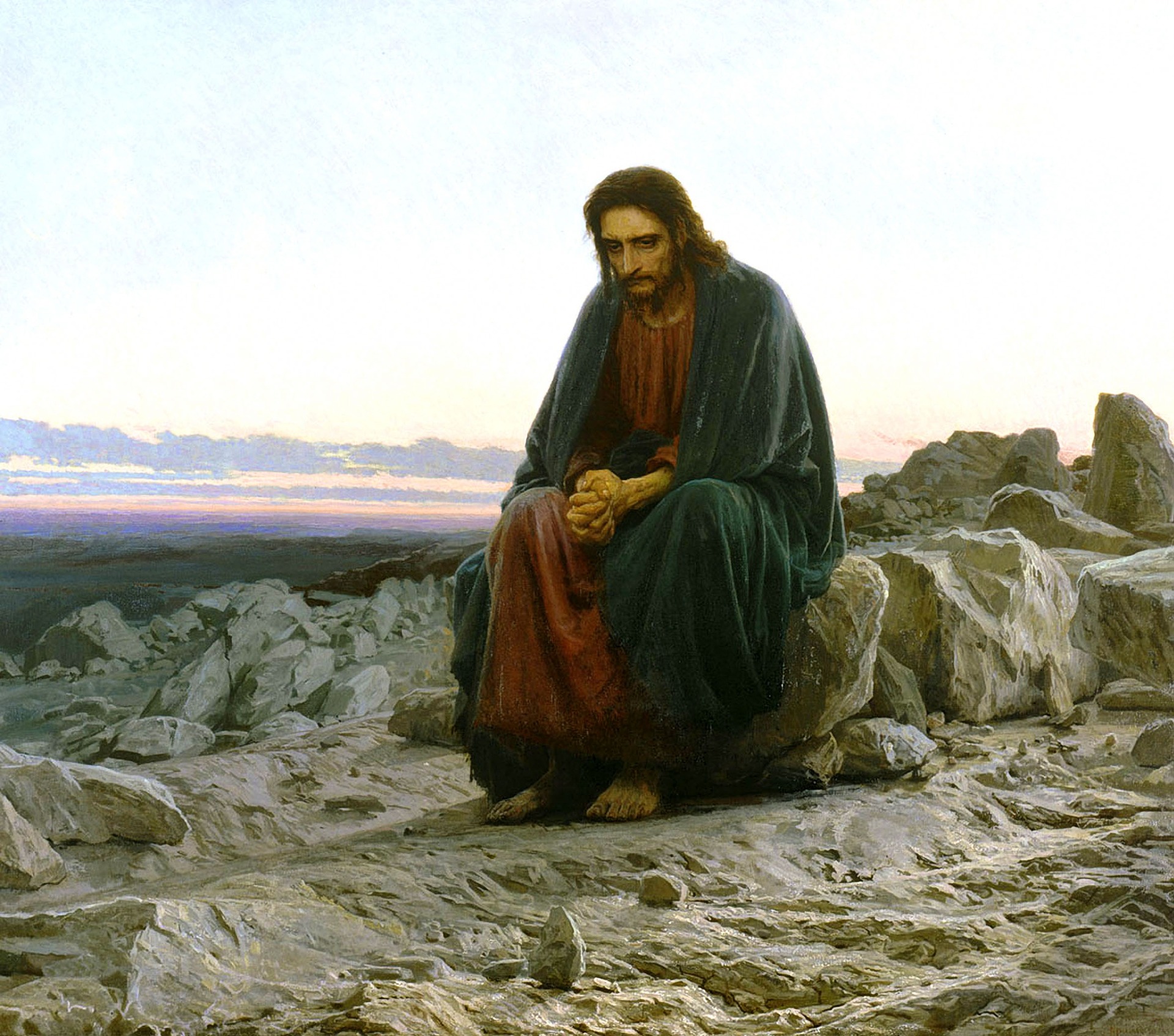
Here is my prayer for the 2023 Lenten season, and feel free to use it.
O Spirit of Grace and Truth, Who is present in all things and filling all places, guide me in these forty days as You guided Christ in the wilderness. Let it not be a time of temporary holiness that ends on Easter Sunday, or a spiritual transaction where I fast in exchange for blessings from the heaven. Calm both my heart and mind that I might follow You to the place You are leading me. That place is the Word of God, where the Savior and His saints have found strength and rest. May it bring me strength and rest in this season and all seasons. Through Jesus Christ I pray. Amen.
The images featured in this post are by Scotty J. Williams and Timeship of pixabaycom, and they are free for public use.


Upcoming Event: Jazzwerkstatt Bern Festival
Panel Discussion: Decolonization in Jazz
Jazzwerkstatt Festival
Bern-March 4, 2023
On March 4th I will be taking part in a panel discussion at the Jazzwerkstatt Festival in Bern. The topic will be Decolonization in Jazz, and I will enage it with Apiyo Amolo, Barbara Balba Weber, and Afi Sika Kuzeawu.
Only those who purchase tickets for this festival can attend this event. To purchase a ticket, click on the button below.
The image featured in this post is by DangrafArt of pixabay.com and is free for public use.

Creole Melodies: Good Music For Black History Month
Creole Melodies
Good Music For Black History Month
In addition to good books, Black History Month is a time for good music, and not just the modern works of those like John Coltrane and Beyoncé. There are also classical works by legendary composers, and here are three that everyone should learn about and listen to.
1. Basile Barès (1845-1902)
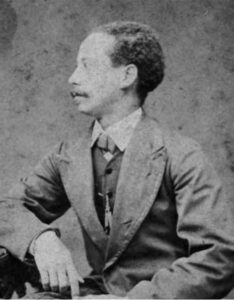
Born into slavery, Barès obtained a copyright on his music before being emancipated; no other enslaved composer did this. At the age of 16, he composed his most famous piece, “Grande polka des Chasseurs à Pied de la Louisiane,” and went on to achieve notoriety in France. He also called for desegregating the French Opera House, and led a boycott for the fair treatment of its Black performers.
I love to listen to Barès’ music during meals and tea times. My most favorite of his works is the “Regina Valse”.
2. Edmond Dédé (1827-1903)
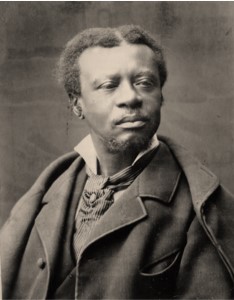
Unlike Barès, Dédé was not born into slavery and was from a family that had been free for three generations. After learning to play the clarinet as a child, he went to study violin, and one of his teachers was the Black American composer Charles-Richard Lambert. Dédé went on to settle in France where he worked as a composer at the Grand Théâtre and Théâtre l’Alcazar of Bordeaux. He also briefly returned to the U.S. to play at benefit concerts organized by the Citizens Committee. This Committee was a group of activisits who fought against racial segregation and helped to launch the Plessy vs. Ferguson case.
I love to listen to Dédé’s music during holidays and gatherings with friends and family. My most favorite of his works is “Mirliton fin de siècle”.
3. Lucien Lambert (1858-1945)
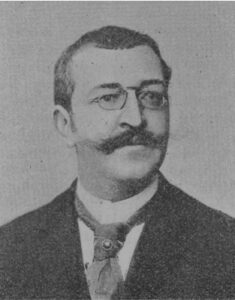
Though born in France, Lambert’s came from a prominent family of Black American composers. His father was Charles Lambert who had left the U.S. to escape segregation, and wrote notable pieces such as “L’Américaine“. After a successful career in France, he moved to Portugal where he worked as a pianist for Emperor Pedro II. He also made recordings for the Pathe Company, and was possibly the first Black classical composer to ever be recorded.
I love to listen to Lambert’s music while reading, writing, and reflecting. My most favorite of his works is “Bresiliana”.
And don’t forget about this guy. LOL!
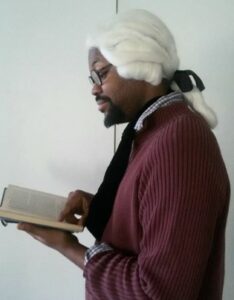
Though I became a pastor, I was inspired to learn to play the piano after encountering the works of Barès, Dédé, and Lambert. Here is a piece that I wrote called, “Jadyè (Goodbye)“, and it is based on an old Black-Creole wake song from my family’s home parish of Pointe Coupée.
The cover image and final image featured in this post are by Scotty J. Williams The photos of the composer featured in this post are public domain.
Beyond The Past: Three Amazing Books For Black History Month
Beyond The Past
Three Amazing Books For Black History Month
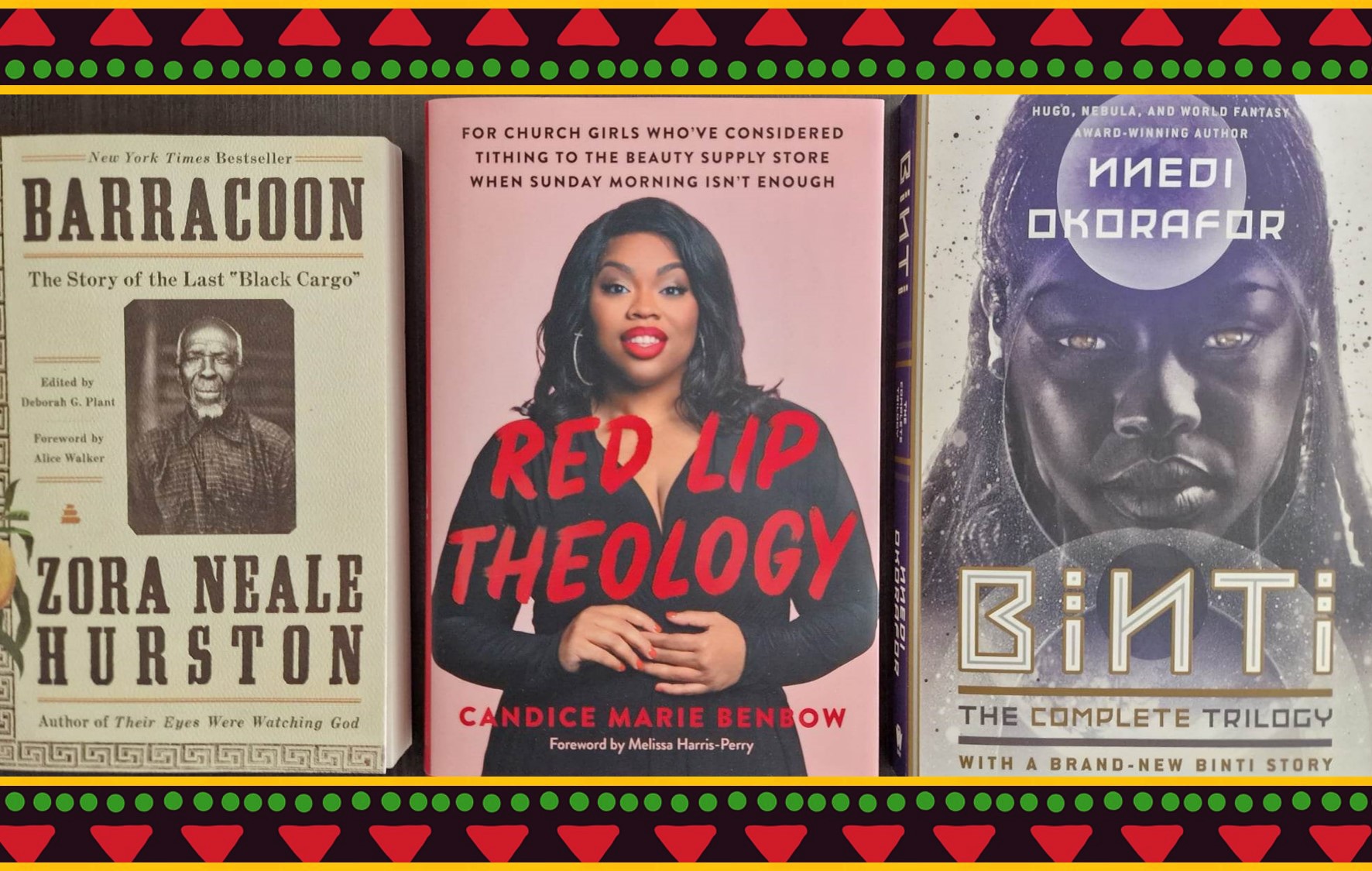
Just like the Black experience, Black History is not static, and it is not relegated to the single month that is set aside for it. It is an ongoing narrative from times known to times yet to be known. A story of a people that continues to unfold with the joys and cares that all peoples face.
Black History is the collective witness of the past, present, and future. And for this year’s Black History Month I am honoring this witness with three books.
1. Barracoon
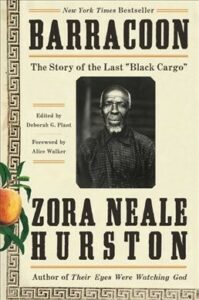
In honor of the past I am reading this classic by Zora Neale Hurston which tells the story of a former slave name Oluale Kossola. Kossala was the last known survivor of the transAtlantic slave trade, who was brought to Mobile, Alabama aboard the Clotilda. He later took the name “Cudjoe Lewis”, and remembered his homeland in western Benin. Kossala also kept his native tongue, Yoruba, and helped to establish Africatown as a safe heaven for former slaves.
I am looking forward to reading this book because Hurston does more than tell the story of a great ancestor. She writes Kossala’s words in the way that he spoke to give the reader a sense of what he sounded like. As I read, I will look at silent footage that Hurston took where Kossala sits on his front porch and walks around his property. He lived until 1935, and I am grateful that, though born in 1983, I shared a century with him.
2. Red Lip Theology
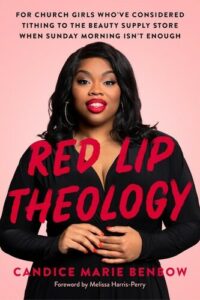
This book, which is my nod to the present, is by Candice Marie Benbow. I first encountered her work last year while writing an article for the Zeitschrift für Missionswissenschaft (ZMiss). Like me, she was raised in the National Baptist Convention, a historic Black denomination that began in 1895. Benbow has also experienced the joys and pains of Black Church life, and critiques it in a way that is respectful and witty without denigration.
I have decided to read this book first, and so far it has not disappointed me. In fact, it has led me to reflect upon my own story of faith with fresh eyes. For me the pains of the Black Baptist world made me beeline to Scottish Presbyterianism with a resentment towards clergy and parishioners whose actions hurt me. Benbow’s work is helping me to better understand the thinking that is behind such actions, and to treat those who committed them with a grace that is not void of accountability.
3. Binti

Last year I was encouraged to look more into Afrofuturism. So the third book I am reading is this novella by Nnedi Okorafor. To be honest, I picked this book because of its cover, but friends have assured me that I will not regret parting from the old idiom. As a science-fiction zealot I look forward to exploring the alternative world of Okorafor’s creation. A world where a Himba girl ascends from Earth to an intergalactic university. I also look forward to an engaging plot that invokes African words, and presents things from African culture (e.g., otijze) in a non-traditional futuristic setting.
In addition to their captivating subjects, what makes these books so amazing is that they are written by Black women. I hope that all who read them will be uplifted by the words of these wonderful Sistas. Sistas who show that Black History for every day and every age.
The images featured in this post are by anaterate of pixabay.com and Scotty J. Williams, and they are free for public use.

Shukrani Libation: A Prayer of Thanksgiving for People of African Descent
Shukrani Libation
A Prayer of Thanksgiving for People of African Descent
Along with speaking at the UN’s Permanent Forum on People of African Descent, I was asked to do a libation at the Forum’s launch event. Because this practice is done by Animistic faiths, some Christians believe it is unbiblical and should be avoided. Nevertheless, libation is found in the Bible, and Christians offer one each time they celebrate Communion. The only time it is forbidden is idolatry, where honor is given to things other than God.
Since the Forum had people of various backgrounds, I crafted a libation that is non-denominational. It focuses on thanksgiving and the celebration of Black joy throughout the ages. This libation is free for public use with the proper acknowledgement of its author [the Rev. Dr. Scotty J. Williams]. To access it click on the button below.
The images featured in this post is by Nathaniel Abadji of unsplash.com and is free for public use.
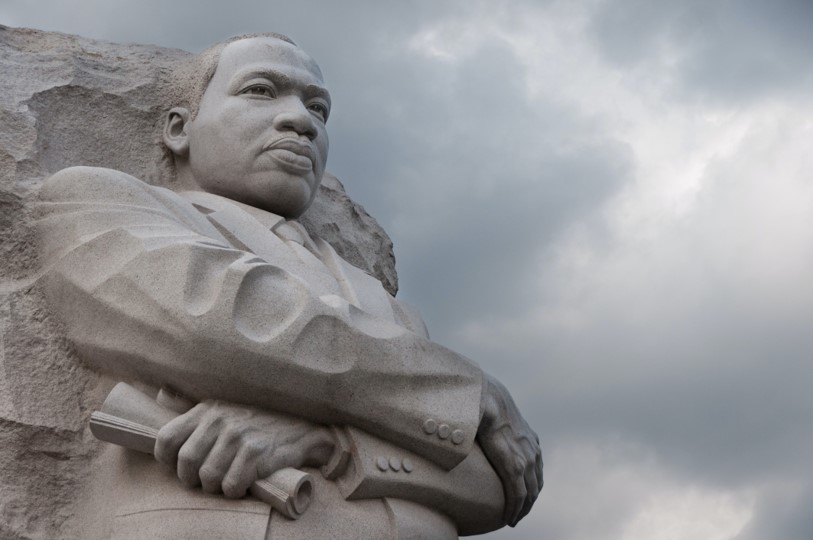
Look, Listen, and Learn: How To Better Honor Martin Luther King Jr.
Look, Listen, and Learn
How To Better Honor Martin Luther King Jr.
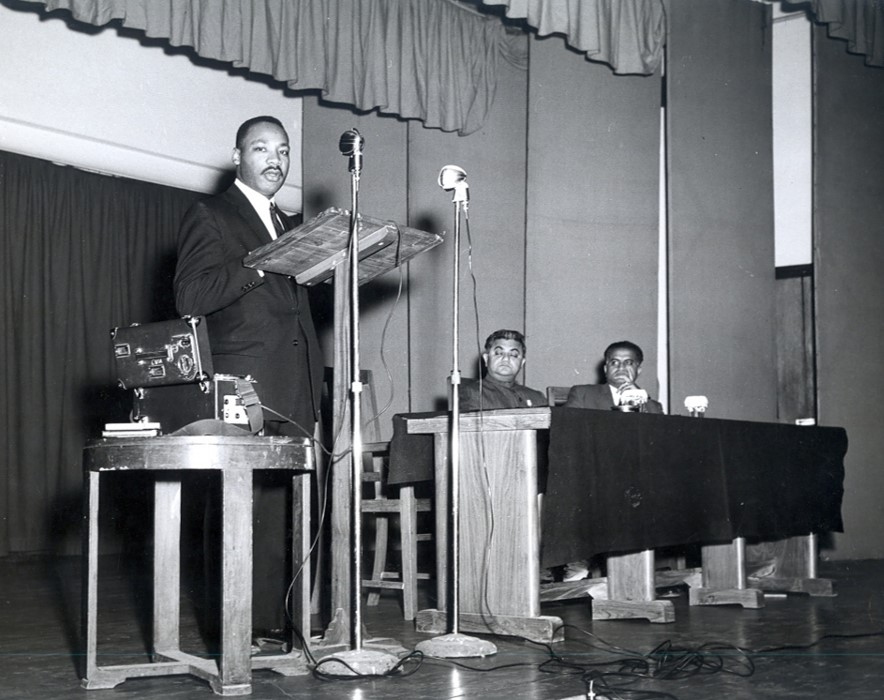
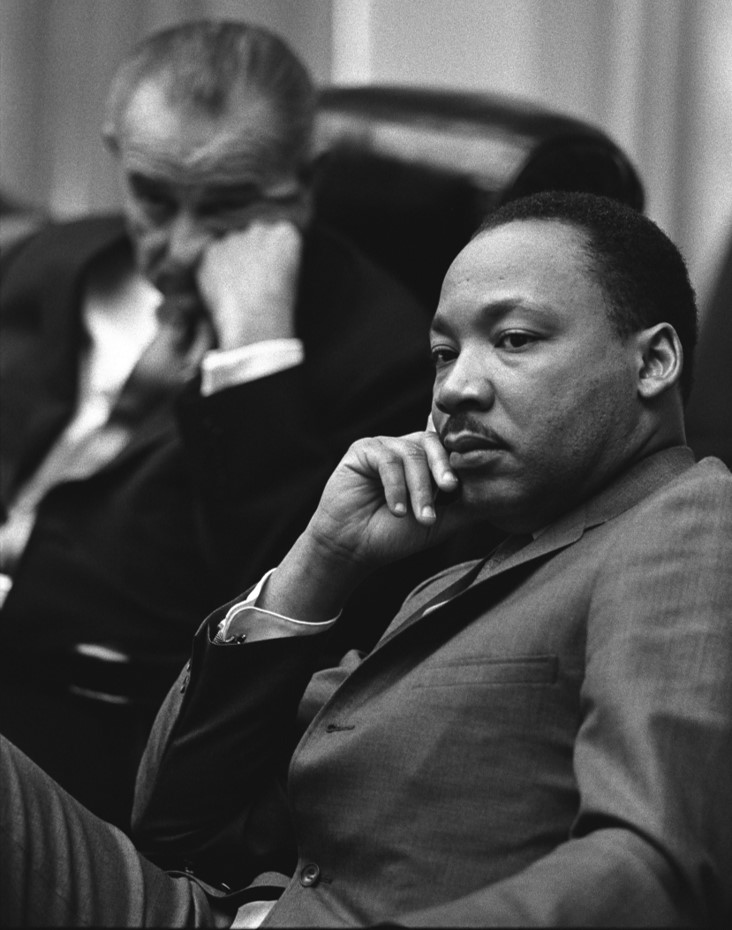
For many people MLK Day means hearing and thinking about the “I Have a Dream” speech. But here are three ways to better honor the man that this holiday is all about.

1. Look Beyond The Extraordinary
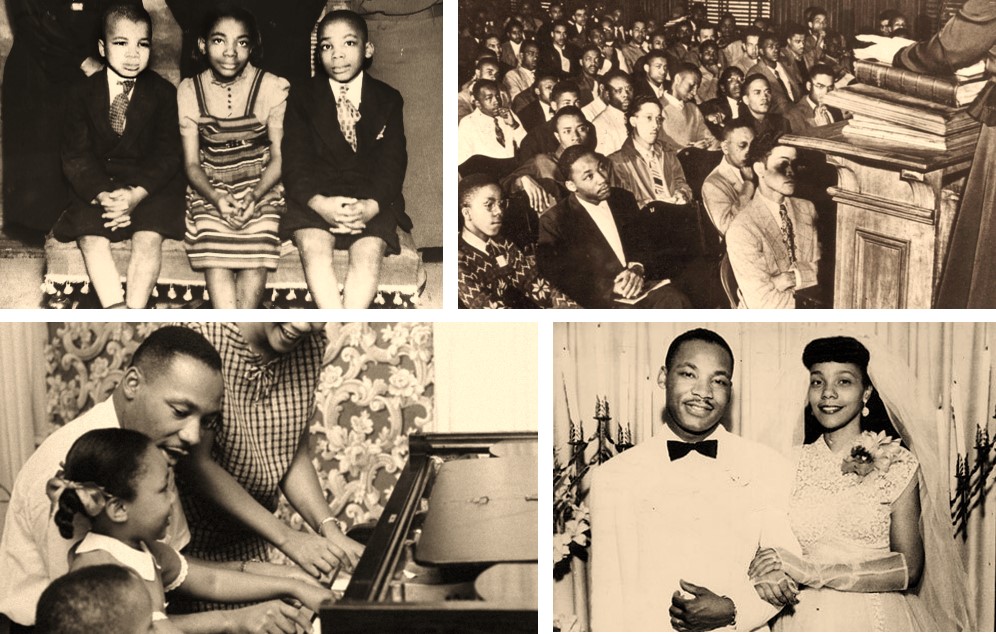
One major problem that arises when Dr. King is remembered is a focus on the extraordinary or the highlights of his life. Images of a Civil Rights champion are displayed with great nostalgia, while the images of an ordinary man go ignored and overlooked. Many people never get to see the young boy in Atlanta, or the student hearing lectures at Morehouse College. They never see the happy groom smiling at his wedding, or the father relaxing with his children at home.
As the highlights are displayed one must also see the ordinary, and look beyond the extraordinary Civil Rights Champion. Yes, he was a great man, but he was also a normal man. A man who faced the joys and cares of life that are common among all people. Additionally, the ordinary helped to make him who he was, and gave him the heart for justice that is admired by many today.
2. Listen To The Other Speeches
Though “I Have A Dream” is powerful, Dr. King gave other inspiring orations. Furthermore, he spoke on subjects of justice apart from race and the Black struggle. There is “Beyond Vietnam” where he engages the problems of war, or his “Statement Announcing the Poor People’s Campaign” where he calls for economic reforms. Then there are sermons, he was a pastor after all, such as “Paul’s Letter to American Christians” and “Remaining Awake Through a Great Revolution“.
By looking at these other speeches one can get a better understand of Dr. King’s message, which often is simplified to a palatable call for peace and unity. But the truth is that his message was and is an unsettling prophetic challenge. A challenge that exposes the brokenness of the world, and calls for leaving comfort to mend it.
3. Learn From The Mistakes
Along with great success Dr. King experienced failure, and this cannot be dismissed while celebrating his life. Like all other people he was imperfect and made mistakes, and there are claims of scandals that have made some question his legacy. He also questioned his efforts for racial unity, and feared that he had integrated Black people into a “burning house”.
Not only is wisdom found where Dr. King got things right; it is also found where he got things wrong. There are lessons that his mistakes can teach one for the better. Positives gleaned from negatives that can further the work of justice. When these lessons are learned Dr. King is rightly remembered for who he was. Not an icon with a flawless shine, but an ordinary man who, despite his flaws, did extraordinary things that changed the world.
One last thing……
Be sure to play Stevie Wonder’s birthday song for Dr. King and sing your heart out!
The images featured in this post are by Raffaele Nicolussi and Ryan Stone of unsplash.com, Scotty J. Williams, the US Embassy of Delhi (CC BY-ND 2.0), and Yoichi Okamoto of the LBJ Library (Public Domain Mark 1.0). To the author of this article’s knowledge each image is free for public use with a proper citation of their creators.

Remember Your Baptism Everyday! (A Prayer for Theophany)
Remember Your Baptism!
A word of encouragement for Theophany.
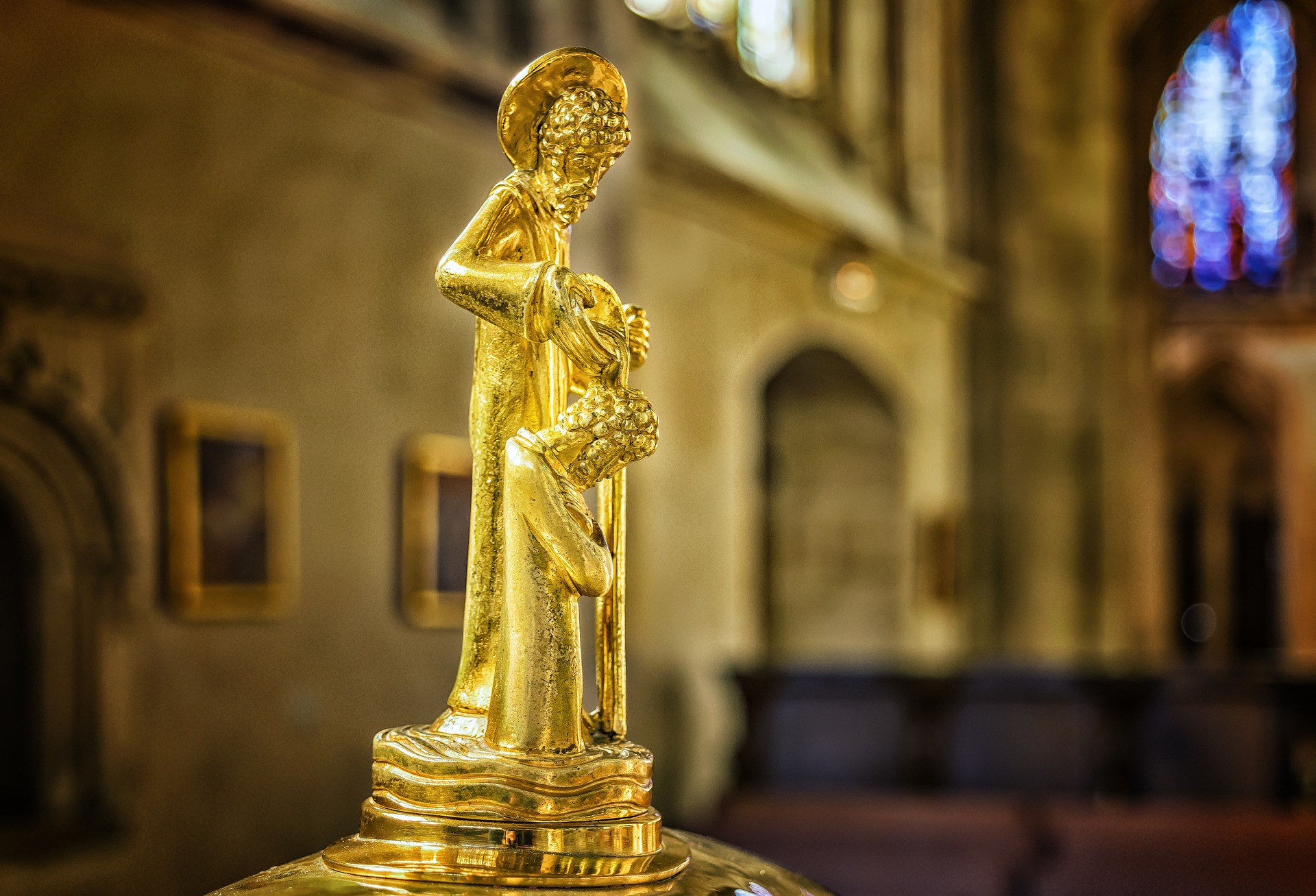
Last Sunday the Church celebrated a feast called Theophany, where Christians remember and give thanks for the baptism of Jesus. It is also a time where we remember and give thanks for our own baptisms, and take out gifts that we received to remind us of them.
Due to technical issues, I could not post a prayer for this year’s Theophany. So here is a prayer that can be used beyond this special feast. Baptism is about the faithfulness of God, and because He is faithful everyday we should remember our baptisms everyday!
Gracious Father, I thank You for the baptism of Jesus, where You revealed Who He was to the world and Your love for Him which knows no end. Like that moment You have done the same in our baptisms, and showed that we are more than worshipers serving a great deity. We are Your children in whom You are well pleased, and through our lives You offer all people a warm embrace of kinship. May we never see the waters as a monument to our faith and holy works, for they signify Your faithfulness and grace throughout the ages. Your faithfulness which is with us in every hour of the day, and Your grace which carries us until we breathe our final breath. In Your name we pray. Amen.
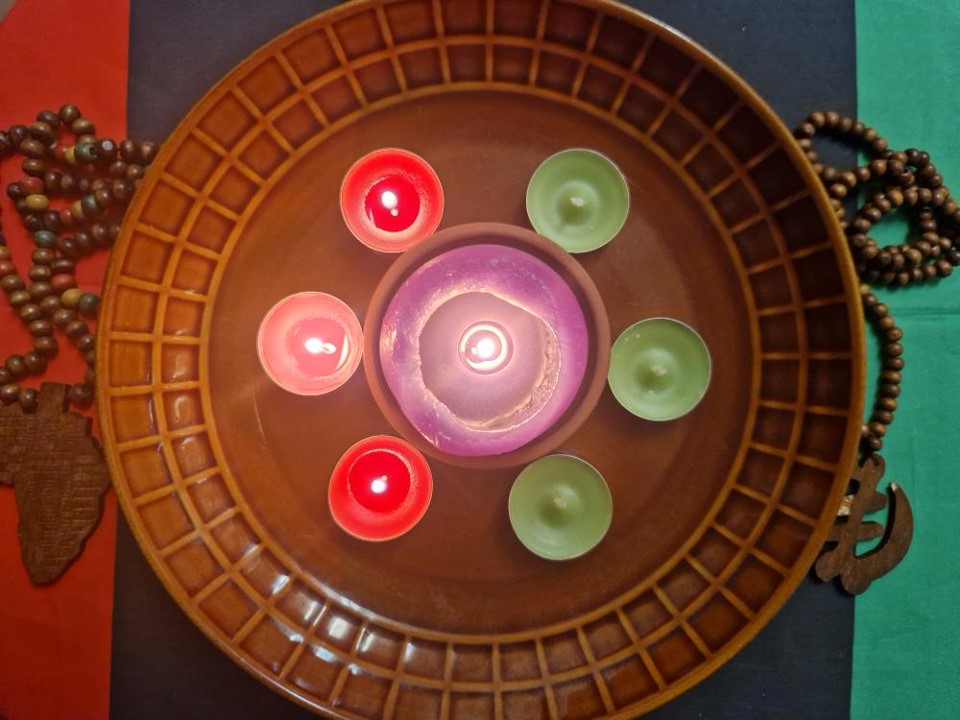
A Different Kwanzaa
A Quiet Kwanzaa
Stepping away. Focusing on joy. Leaning into rest.
Each year I have taken part in educating others about Kwanzaa. But this year I am stepping away from teaching to focus on joy and rest.
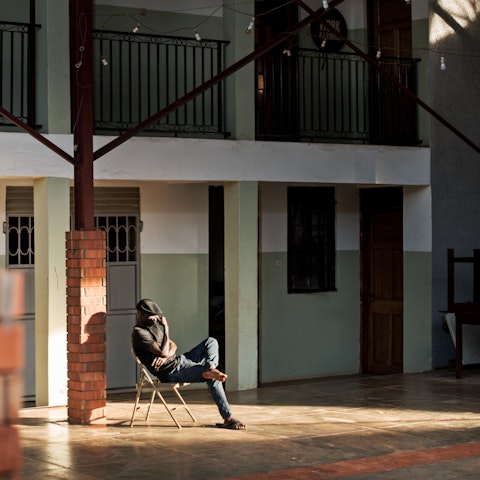
Stepping Away
Every Kwanzaa I take the task of teaching others about it, or explaining this young holiday created for my people. With care I spell out the meanings of its practices and symbols, and help outsiders to understand its terms like umoja and kujichagulia. Nevertheless, I have became weary of educating. So this year I am stepping away to and celebrating differently.
I would like for once to speak on things like happiness and love
Whenever Kwanzaa comes I am questioned about Black pain, which is often quite exhausting and I sometimes shy away from. Don’t get me wrong, it is important to speak about oppression, but I would like for once to speak on things like happiness and love. The Black experience, like any other human experience, is a mix of joy and sorrow. A mix that Tank and the Bangas show in their beautiful song called, “Black Folk“.
Black look like it’s a different world
Sound like a crawfish boil in New Orleans
Black folk joke around like Martin and got paintings from JJ in the living room
It sounds strong, look like sacrifice
It be, flowers blooming in the summertime
Black sound like old songs, smell like good food
And it tastes like heart disease
But it feel like maze at Jazz Fest
Focusing On Joy
Earlier this month I got to speak on Black joy in Geneva at the invitation of my good friend Apiyo Amolo. This was the first time I was asked to talk about this subject, and to do so before an audience that was mostly of African descent. In fact, the majority of the people were fellow African Americans, which enabled me to expound on joy with little mention of struggle and pain.
Contrary to common misconceptions, Black joy is not a feeling. It is the blessed parts of the unique mix that is the Black experience. Our joy is things like a game of Spades at a family gathering (I still cannot play this game), or the smell of baking sweet potato pie and a scorching hot comb on 4C hair. Furthermore, this joy is the speechways we use among ourselves, and not having to explain idioms or Code-switch for clarity.
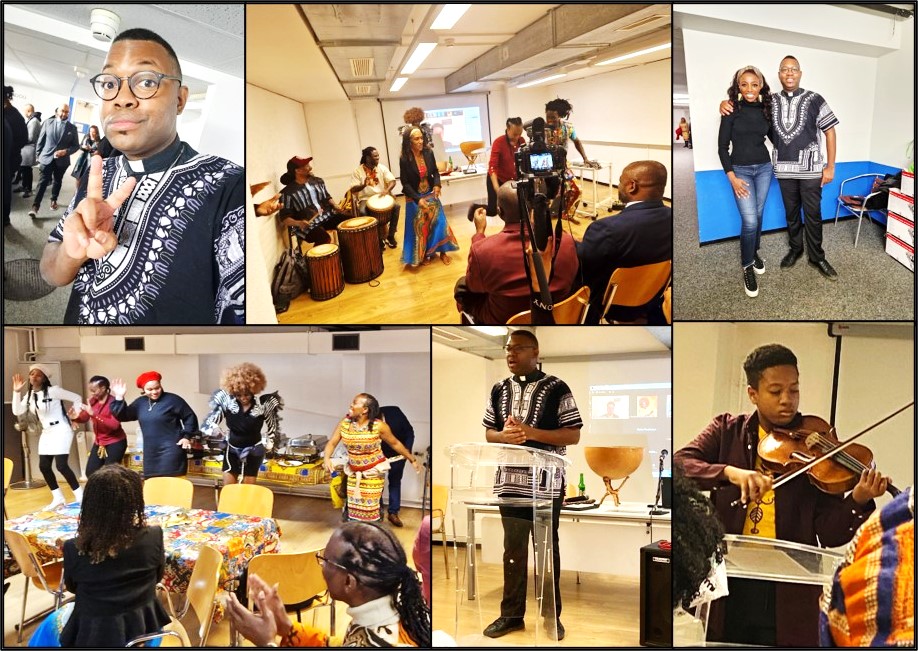
What I loved the most about the gathering in Geneva, was that I did not have “break things down” for an audience of outsiders. I could focus on the blessings of my people in a dialect that everyone understood, and I could find an affirming solace that has been rare since moving abroad. It was enlivening to watch pain and oppression be removed from center stage, and to see the love and happiness of Black life have the spotlight for a moment.
Leaning Into Rest
After getting home from Geneva and thinking about this year’s Kwanzaa, I remembered a word that Teddy Reeves gave me back in June. At the time I was worn out from speaking engagements on Black pain, and after learning of this he replied:
God is inviting you to rest. You are being offered a gift for your good, so take it. Take the rest that God is giving to you and lean into it.
What made Geneva so wonderful was that I got to do as Teddy advised. I got to lean into a rest that I found while focusing on Black joy. While speaking I took up the blessings cherished by my people, from our loud laughter that some find distracting to our extended kin with play cousins. In these things I could lay down the burdens that come with educating, and relax in the replenishing solace that they bring.
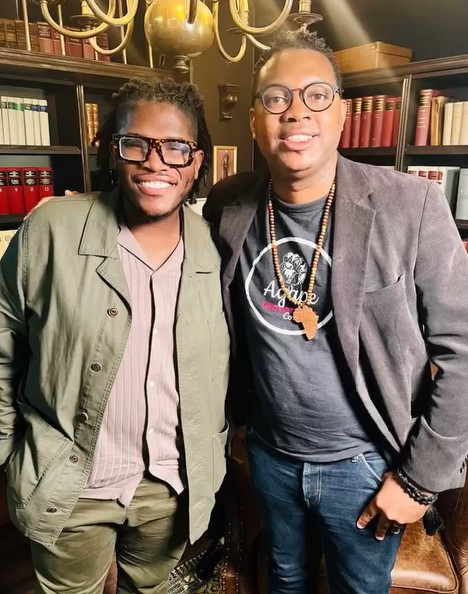
Indeed, I had leaned into rest while in Geneva, and this is what I am doing for this year’s Kwanzaa. I am taking it easy in the good of the Black experience, and allowing it to refresh and recharge my spirit. Additionally, I will do this beyond Kwanzaa, and make it a daily practice for a seasons. This means that I will speak less about Black pain. and more about our happiness and joy.
To be clear, I will still teach on racism and oppression, but there are lessons with better stories that I wish to tell. Stories about the things I am enjoying as I light the kinara with my family.
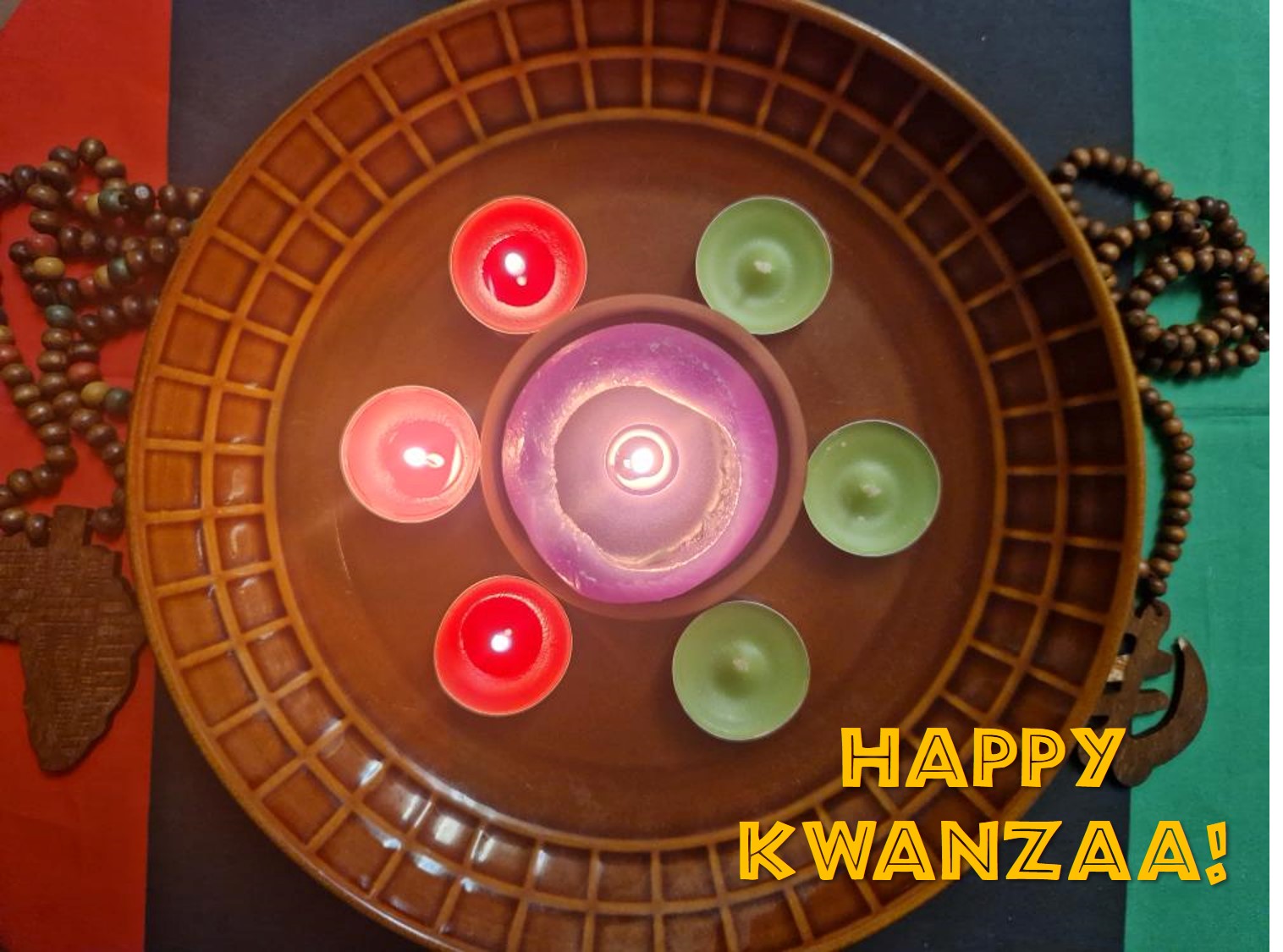
The images featured in this post is are by Scotty J. Williams, Alyssa Sieb of nappy.co, and Kim Moir of the Smithsonian National Museum of African American History and Culture.
.
Hope+Peace+Joy+Love=CHRISTMAS
Hope+Peace+Joy+Love=CHRISTMAS
Reflections for the Holiday season.
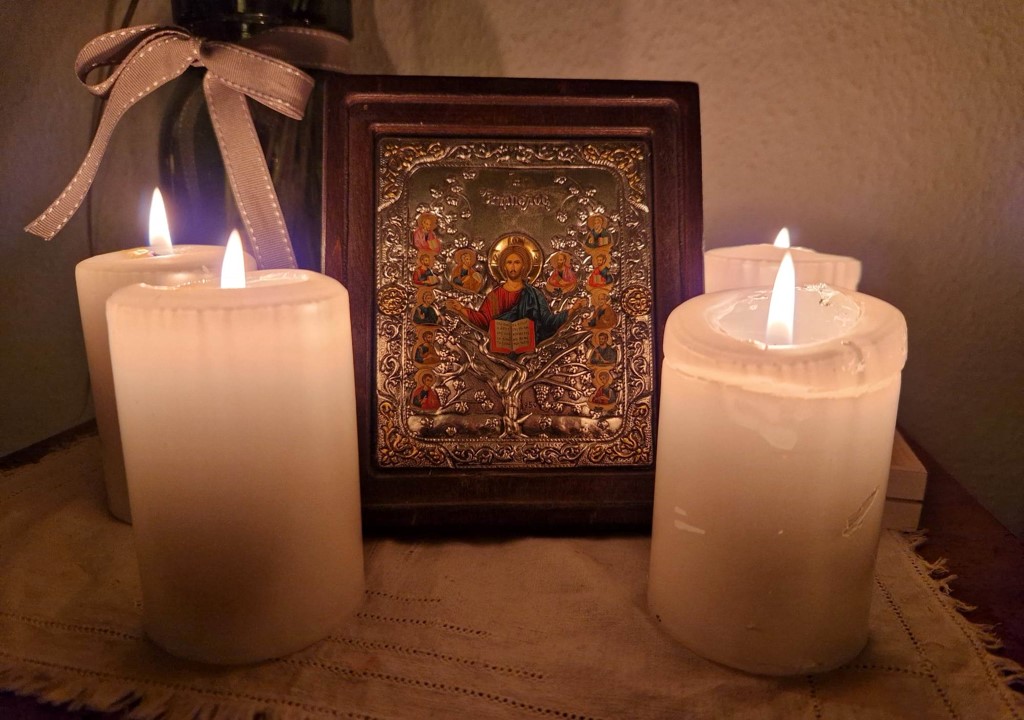
For this year’s Advent season I wrote a series of reflections on the four candles and their themes. Together these themes show what the Christmas season is all about, which is more than gifts, decorations, and special gatherings. As we remember the manger in Bethlehem we celebrate the hope, peace, joy, and love of God in Jesus.
You can read the reflections by clicking on the links below.
Happy Advent and Merry Christmas!
Nothing found.
The image featured in this post is by Scotty J. Williams.
Fourth Candle: LOVE
LOVE
Advent 2022
Fourth Candle
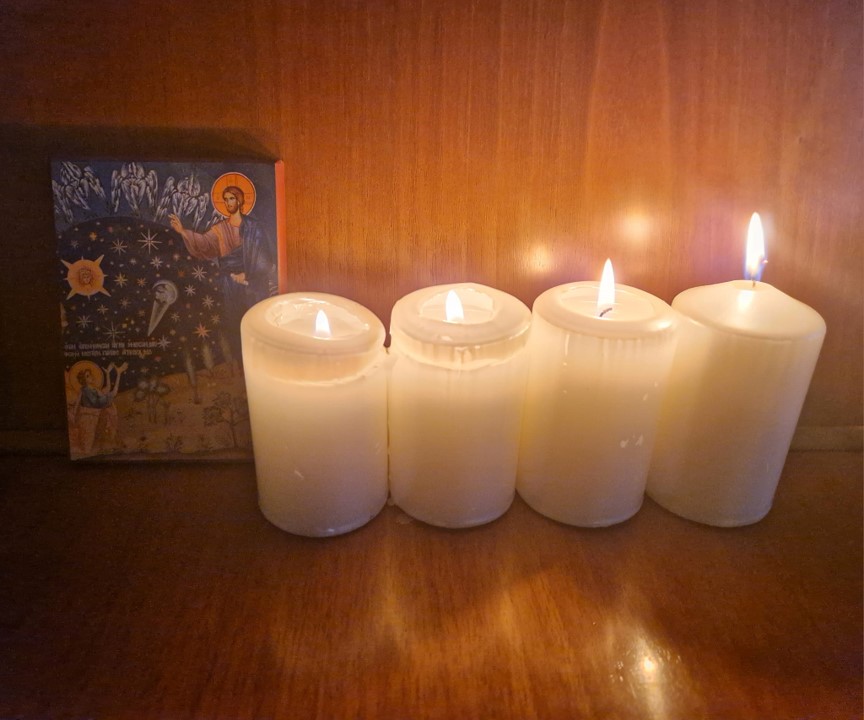
For God so loved the world that He gave His one and only Son. (John 3:16)
More Than Feelings
Out of all the Sundays of Advent the last one is my favorite, for it focuses on the main reason that Jesus came to earth. He did not come like some demigod in the annals of mythology, and He was not the result of a tryst between divine and mortal beings. Furthermore, He was not just sent for God to receive glory. Christ incarnated Himself in human flesh and came because of love.
Love is a steadfast commitment to the well-being of others.
Contrary to popular belief, love is not feeling. Rather it is, as Cornel West often says, being dedicated to something. It is dedication to the good of those around you, and in Christianity it is not momentary and goes beyond those that we deem worthy. Love, like marriage, is a continuous life-long commitment that extends to all persons no matter where they stand. They can be close relatives and friends that we deeply cherish, or strangers with no connection to us and enemies seeking our downfall.
Love is a way of life that is meant for every moment, and rejects partiality for the sake of all people.
More Than Words
In addition to a feeling, love is not just words. It is something that must be expressed through visible ways that are tangible. To be clear, words are important and a way of showing love, but actions make it more than a dream or a nice idea that is comforting. For example, throughout these Advent reflections I have mentioned my daughter Hope, and what got me through her death was works of compassion from others. People did more than talk to show a commitment to my well-being. They went beyond words through visits, meals, walks, phone calls, and sending cards.
Love unexpressed is meaningless.
St. James writes in his Epistle that faith without works is dead, and the same is true for love that is void of action. I would even go as far to say that love without action is not love at all. In fact, it is a selfish lovelessness that leaves things the same. As St. James asks, what good is it to say, “be fed” without feeding the hungry? Or what benefit is to say “keep warm” without clothing and housing the cold?
Love seeks to be made real through actions done with a selfless heart. A heart that beats for the sake of others and wants things to change for their good.
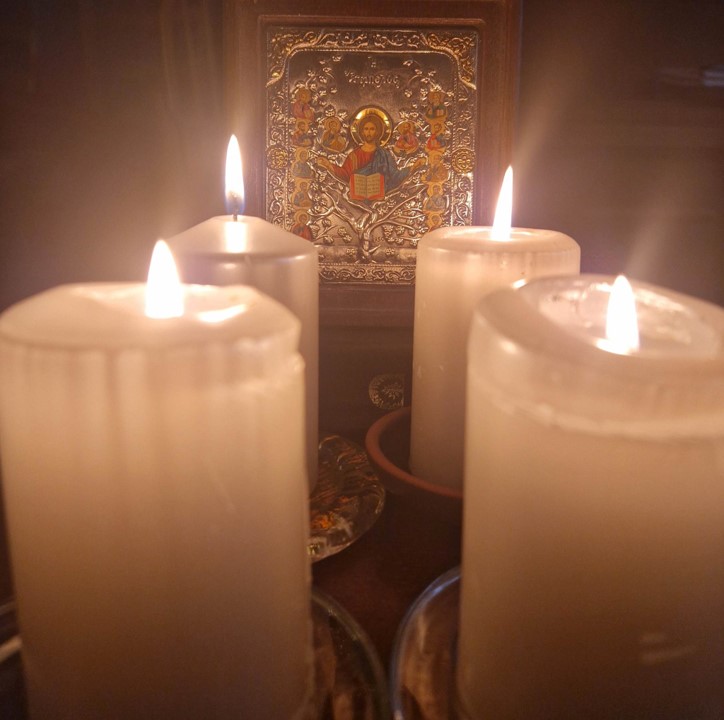
More Than Expected
In Louisiana, my home state, there is a tradition called lagniappe, which comes from an old Spanish term that means something free or extra. Lagniappe is a small gift that is given to a customer by a merchant as a way of showing gratitude for supporting their business. In short, one could say that it means “a little extra” or “going beyond what is expected”. And the same is true for love, which surpasses our expectations.
During Advent we celebrate this dimension of love, where God excels our wildest dreams through sending His one and only Son. We expect forgiveness of sin, but in Christ there is a plethora of blessed gifts. Through Him we also receive peace, hope, joy, grace, mercy, truth, and endless life. Do we deserve these things? Of course not, and we never will. But, as was said earlier, love is for and about all people no matter where they stand.
Indeed, God has given us more than we expect through Jesus, and His generosity is rooted in more than receiving glory. Though His glory is important, His generosity is rooted in His love, which began long before Israel and the manger in Bethlehem. St. Paul writes that God loved us before the foundation of the world. He has been committed to our well-being since the moment before He said, “Let there be light”. And this commitment is at the heart of Advent traditions, from the candles, prayers, and calendars to the carols and hymns of wonder.
Love is the first gift that God gave to humanity. Therefore, let us be like Him and freely give it to all people.
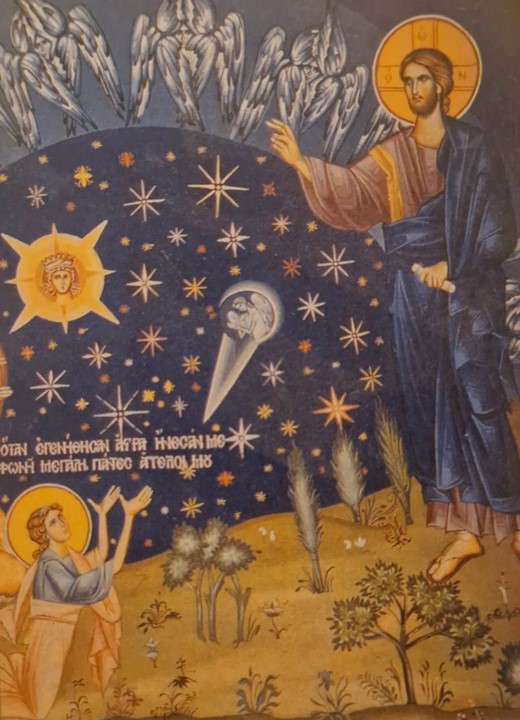
The images featured in this post are by Scotty J. Williams.