
A Quiet Kwanzaa
Stepping away. Focusing on joy. Leaning into rest.
Each year I have taken part in educating others about Kwanzaa. But this year I am stepping away from teaching to focus on joy and rest.
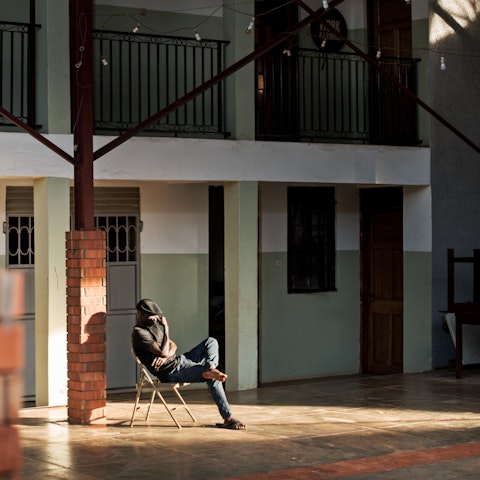
Stepping Away
Every Kwanzaa I take the task of teaching others about it, or explaining this young holiday created for my people. With care I spell out the meanings of its practices and symbols, and help outsiders to understand its terms like umoja and kujichagulia. Nevertheless, I have became weary of educating. So this year I am stepping away to and celebrating differently.
I would like for once to speak on things like happiness and love
Whenever Kwanzaa comes I am questioned about Black pain, which is often quite exhausting and I sometimes shy away from. Don’t get me wrong, it is important to speak about oppression, but I would like for once to speak on things like happiness and love. The Black experience, like any other human experience, is a mix of joy and sorrow. A mix that Tank and the Bangas show in their beautiful song called, “Black Folk“.
Black look like it’s a different world
Sound like a crawfish boil in New Orleans
Black folk joke around like Martin and got paintings from JJ in the living room
It sounds strong, look like sacrifice
It be, flowers blooming in the summertime
Black sound like old songs, smell like good food
And it tastes like heart disease
But it feel like maze at Jazz Fest
Focusing On Joy
Earlier this month I got to speak on Black joy in Geneva at the invitation of my good friend Apiyo Amolo. This was the first time I was asked to talk about this subject, and to do so before an audience that was mostly of African descent. In fact, the majority of the people were fellow African Americans, which enabled me to expound on joy with little mention of struggle and pain.
Contrary to common misconceptions, Black joy is not a feeling. It is the blessed parts of the unique mix that is the Black experience. Our joy is things like a game of Spades at a family gathering (I still cannot play this game), or the smell of baking sweet potato pie and a scorching hot comb on 4C hair. Furthermore, this joy is the speechways we use among ourselves, and not having to explain idioms or Code-switch for clarity.
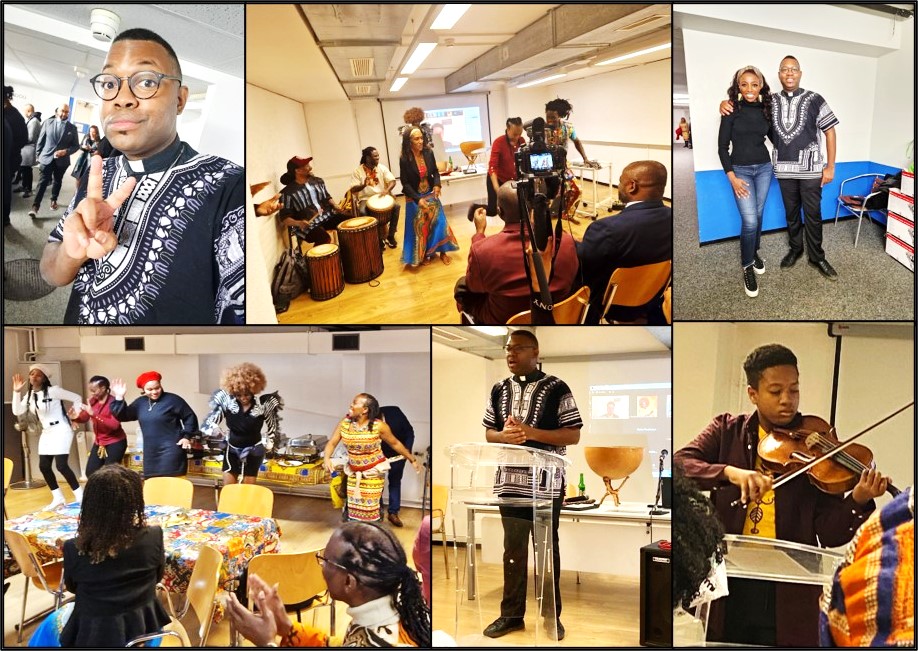
What I loved the most about the gathering in Geneva, was that I did not have “break things down” for an audience of outsiders. I could focus on the blessings of my people in a dialect that everyone understood, and I could find an affirming solace that has been rare since moving abroad. It was enlivening to watch pain and oppression be removed from center stage, and to see the love and happiness of Black life have the spotlight for a moment.
Leaning Into Rest
After getting home from Geneva and thinking about this year’s Kwanzaa, I remembered a word that Teddy Reeves gave me back in June. At the time I was worn out from speaking engagements on Black pain, and after learning of this he replied:
God is inviting you to rest. You are being offered a gift for your good, so take it. Take the rest that God is giving to you and lean into it.
What made Geneva so wonderful was that I got to do as Teddy advised. I got to lean into a rest that I found while focusing on Black joy. While speaking I took up the blessings cherished by my people, from our loud laughter that some find distracting to our extended kin with play cousins. In these things I could lay down the burdens that come with educating, and relax in the replenishing solace that they bring.
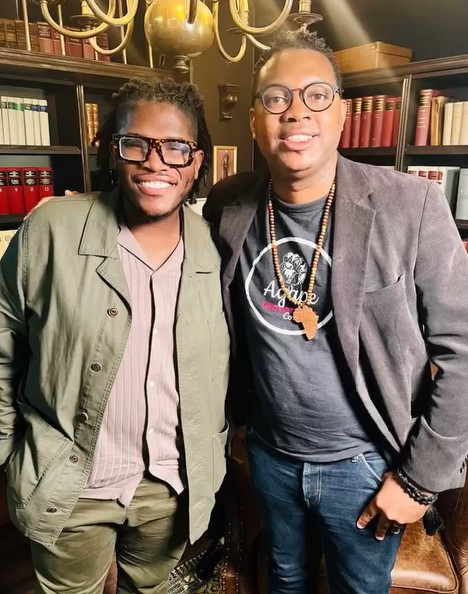
Indeed, I had leaned into rest while in Geneva, and this is what I am doing for this year’s Kwanzaa. I am taking it easy in the good of the Black experience, and allowing it to refresh and recharge my spirit. Additionally, I will do this beyond Kwanzaa, and make it a daily practice for a seasons. This means that I will speak less about Black pain. and more about our happiness and joy.
To be clear, I will still teach on racism and oppression, but there are lessons with better stories that I wish to tell. Stories about the things I am enjoying as I light the kinara with my family.
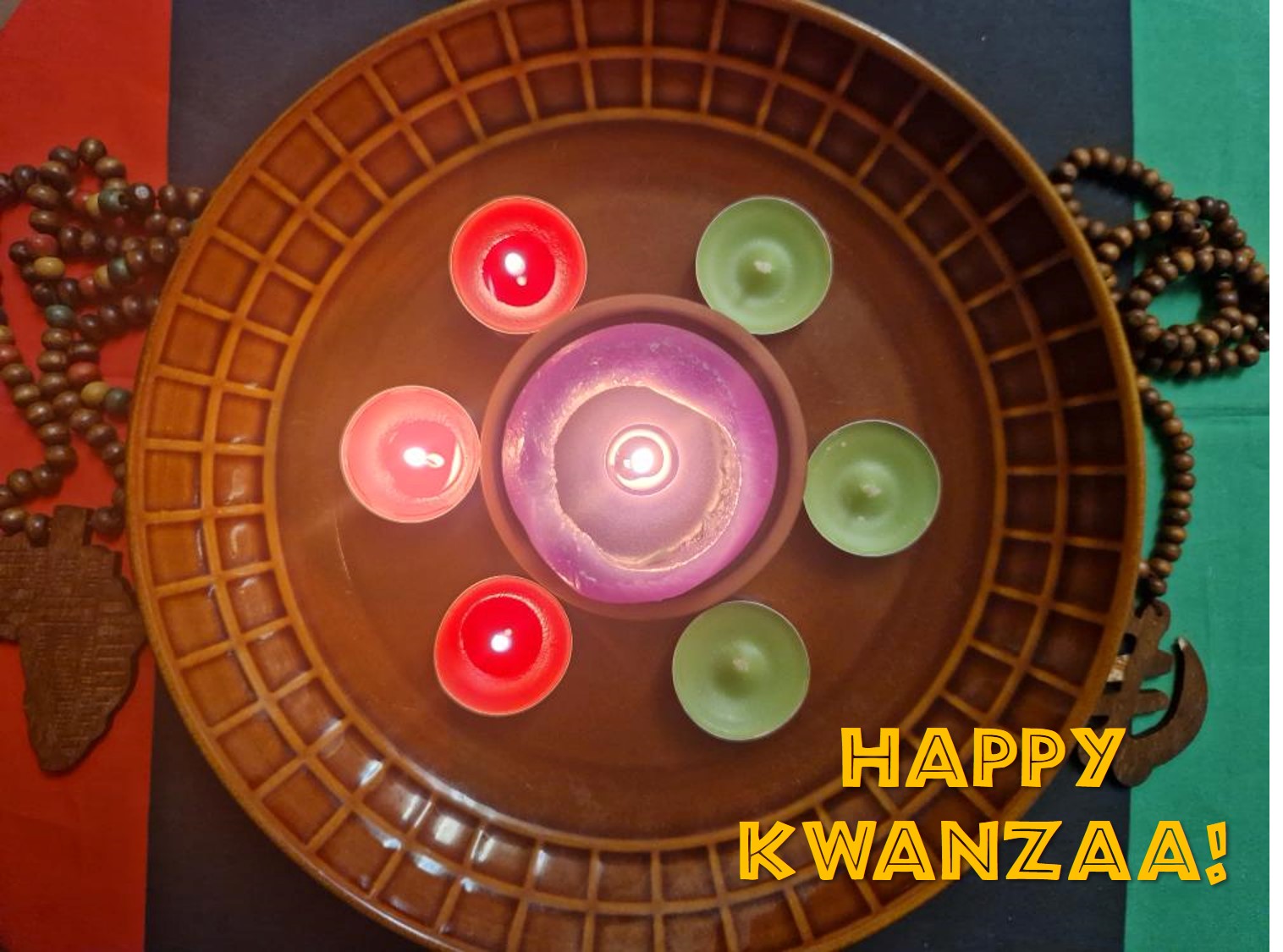
The images featured in this post is are by Scotty J. Williams, Alyssa Sieb of nappy.co, and Kim Moir of the Smithsonian National Museum of African American History and Culture.
.