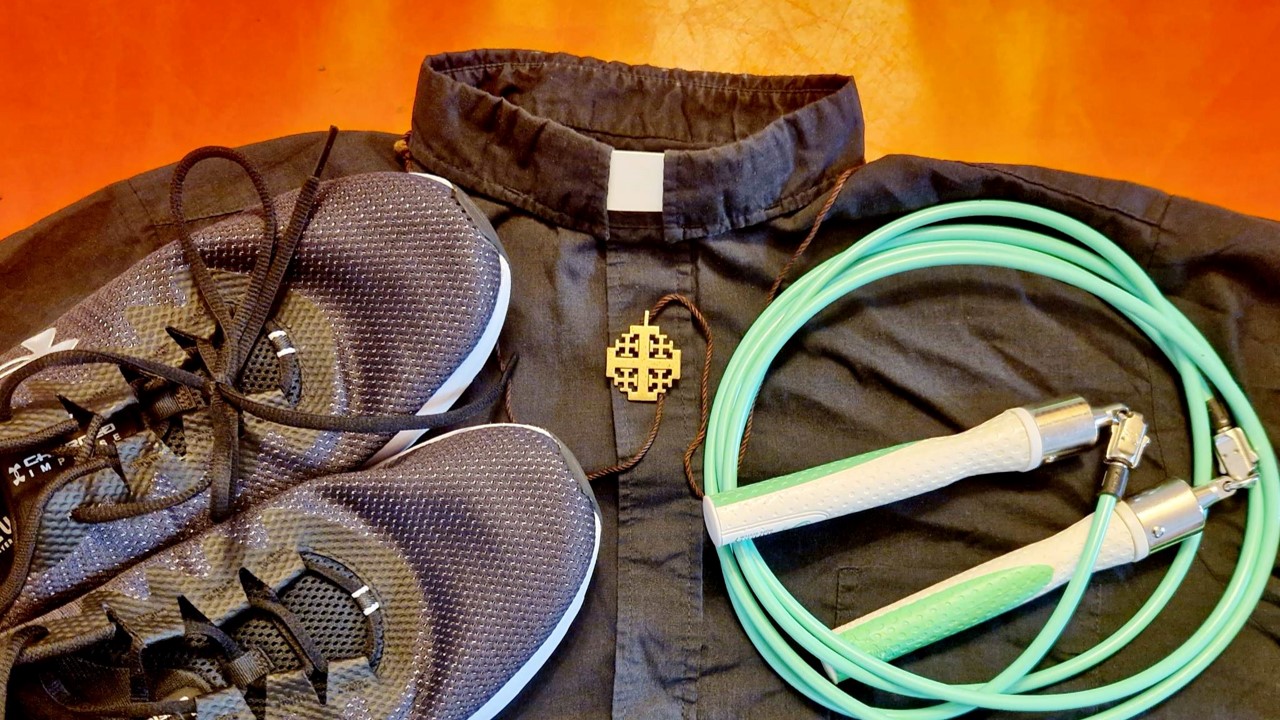
Fit Pastors: Building A New Culture of Ministry
Fit Pastors
Building a New Culture of Ministry
In the wake of the Pandemic, where clergy are leaving in great numbers, a new culture of ministry is emerging that is focused on health and healing.
An Unhealthy Culture
As the world was shaken up by the COVID-19 virus, the Church was being shaken by a growing “Clergy Exodus“. Many pastors had long thought of walking away from ministry, and the Pandemic was an ideal moment to make a peaceful exit.
Despite their various reasons, those who left had one thing in common. They were worn out from an unhealthy culture that is found in numerous congregations. This culture calls for service through a constant sacrifice. A surrender that, though noble on the surface, is detrimental at heart.
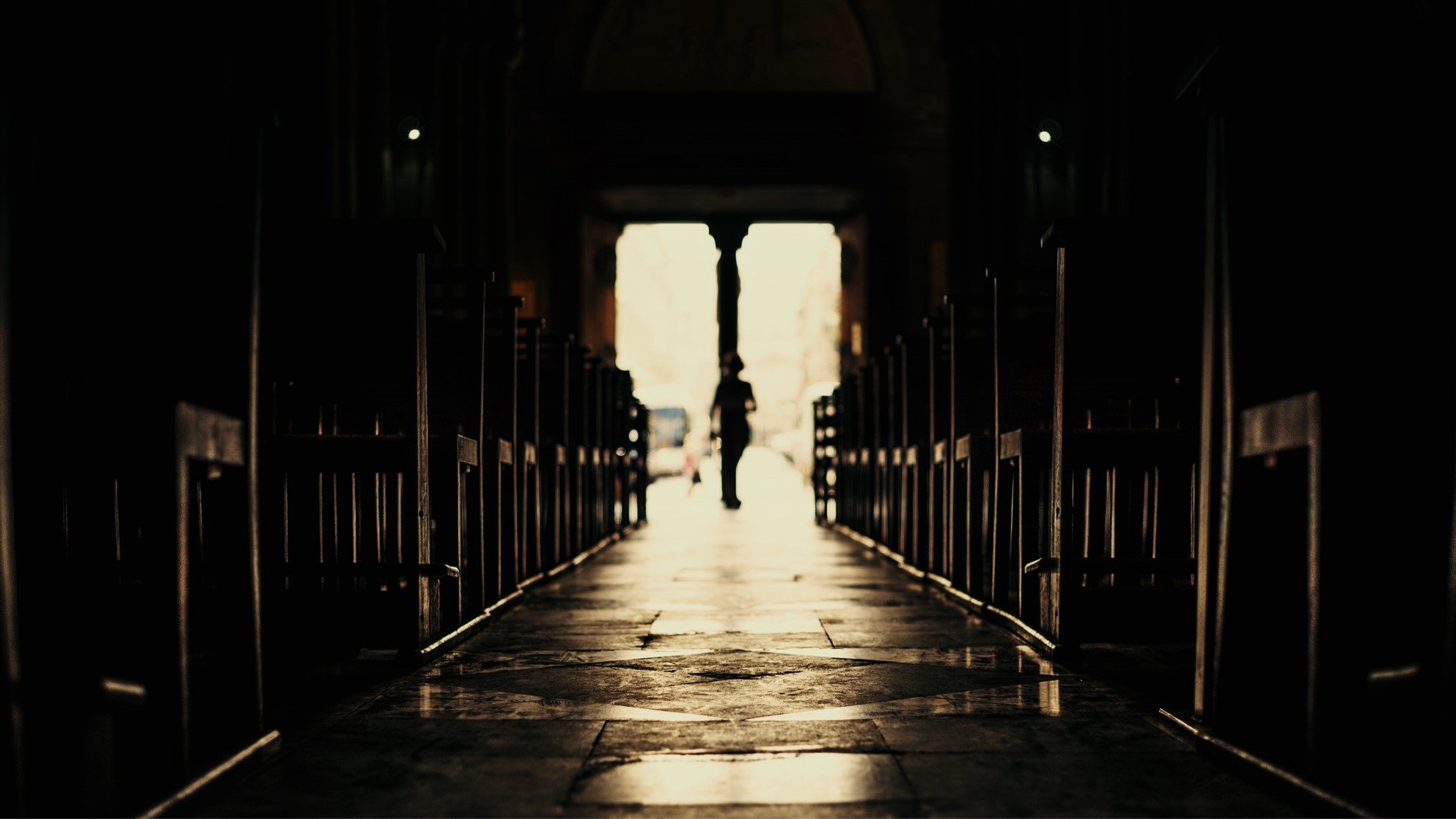
Part of being a pastor entails a degree of putting Church first. After all, we are shepherds of Christ‘ flock and it comes with the territory. There are days where one must postpone things that they enjoy for important meetings. And there are nights one must leave family dinners to take emergency calls.
Nevertheless, being a pastor is not solely putting Church first. Yet, the unhealthy culture of sacrifice has led many to wrongly think that it does. From this droves of clergy have served with a self-denial that neglects self-care, and burned out they hang up their stoles while saying, “I did not sign up for this.”
A Radical Step
To be clear, the Clergy Exodus is not some way to hurt or punish the Church. In fact, most of those who choose to leave still love and want the best for her. They are really taking a radical step for health and healing, and the same is true for those who choose to remain in sanctuaries.
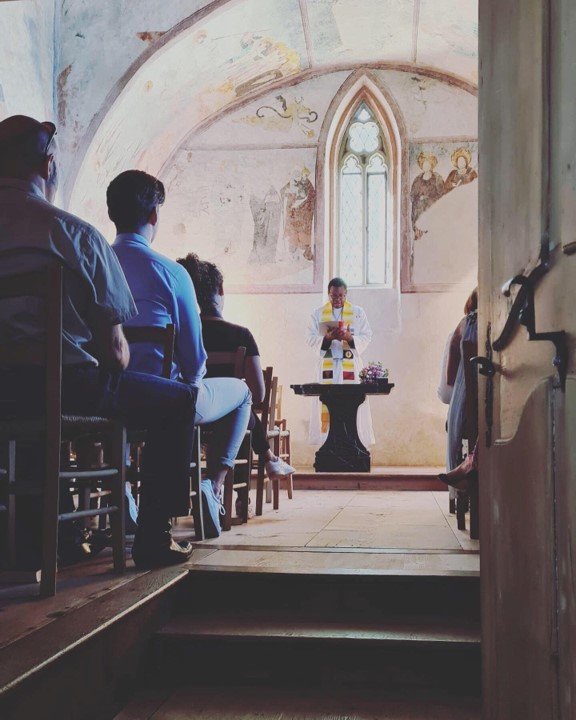
At the end of 2020, I considered departing from ministry. I had been drained through Pandemic outreach and was on the verge of a burnout. Following a year of exploring other options (e.g., university work) it became clear that I should stay, but I wanted to take a radical step while keeping on my stole.
Like the colleagues who hung up their stoles, I did not sign up for how things were. So, with this in mind I decided to make a list of all the things I did sign up for. The list rekindled joys that had been lost in the rigors of ministry, and I changed my goal in pastoring to pursuing them as I preached Good News.
Pursing these joys was my radical step, and they brought me to a place of health and healing in ministry. I could leave models of pastoring steeped in the unhealthy culture, and be the pastor that I felt God had called me to be. Best of all, I could be the pastor that I wanted to be, and find spaces that shared my values and welcomed my gifts.
A New Culture
When the Pandemic began to wind down, a number of clergy stated that they did not wish to go back to “normal”. To not return to the unhealthy culture that can drive one from the pulpit. For years, we had addressed this problem collectively through seminars, but this time we employed a solution that was much more individual.

Since the road to healing and health is different for every person, pastors began focusing on their specific stories and the particular things they needed. For some it was better pay and more time with their families, and for others it was a new career and more vacation days.
Of course, there are needs we share and we offer each other pointers. Still each of us are walking our individual paths to health and healing. We are building a new culture where self-denial is not burdensome. A new way of being a pastor where sacrifice does not harm well-being.
Fit Pastors
One could argue that the culture we are building is nothing new at all. If truth by told, it is basic self-care and not very radical. Nevertheless, for many pastors the idea that their well-being matters is life-changing, for the unhealthy culture is centuries-old and rewards those who follow it.
Church history is full of names that found greatness through constant sacrifice, but in the process they sacrificed what that mattered, and especially their mental and physical welfare. In the end, after faithful service, these pastors became unfit and were unable to fully thrive and grow in life and ministry.

Thankfully, the Pandemic has caused pastors today to question their forbears more seriously, and to see that Christ cares for more than His flock. He also cares for the well-being of the shepherds He has called. Therefore, all clergy should care for themselves, and do their best to get and stay fit for life and ministry.
One way that I am getting and staying fit is meeting with a therapist. It is such a joy to have a voice and a space where I can be heard and find guidance. I am also getting and staying fit by going to a gym. A non-religious space where I find good community and celebrate visible progress.
Just as Jesus cares for us, we pastors must care for ourselves. Through this we will continue to change the unhealthy culture of constant sacrifice. We will continue to create a new culture of health and healing that fosters thriving. And perhaps we might even stem the tide of the growing Clergy Exodus.
The images featured in this post are by Scotty J. Williams and KL Yuen. These image by KL Yuen has been purchased with the proper licenses for use on this website.


Noumuso: Documentary Debut
Noumuso
Documentary Debut
Afropfingsten Winterthur-May 26, 2023
On May 26th, at the 2023 AfroPfingsten Festival, a documentary film about Noumuso (the band that I do spoken word for) was debuted. This film focuses on an album that Noumuso released last year called “Freequency Of Da Sun“. Two of my spoken word pieces, “Kids In the Sun” and “The Spirit“, are featured on the album.
Before the debut, I had the chance to attend a private screening of the documentary with my son. It was his first time in a movie theater and he loved it. Many thanks to Brotha Emmanuel Riederer for inviting me to take in this amazing music venture!
Documentary Trailer
Kids In The Son
The Spirit

Good Neighbor: A Tribute to Timothy Keller
Good Neighbor
A Tribute to Timothy Keller
“Not everyone is your brother or sister in faith, but everyone is your neighbour, and you must love your neighbour” – Timothy Keller
Culture Wars
While training for the ministry my pastoral mentor, the late Rev. Whitcomb, asked me an interesting question. He said, “Scotty, what type of pastor are you trying to be?”, to which I replied, “I am trying my best to be a good neighbor.”
At that time the American Culture War was reaching its zenith, and more Christians began to plant their flags in liberal and conservative camps. There were also calls to be more Democrat or Republican, and discussions of which candidates were more line with God.
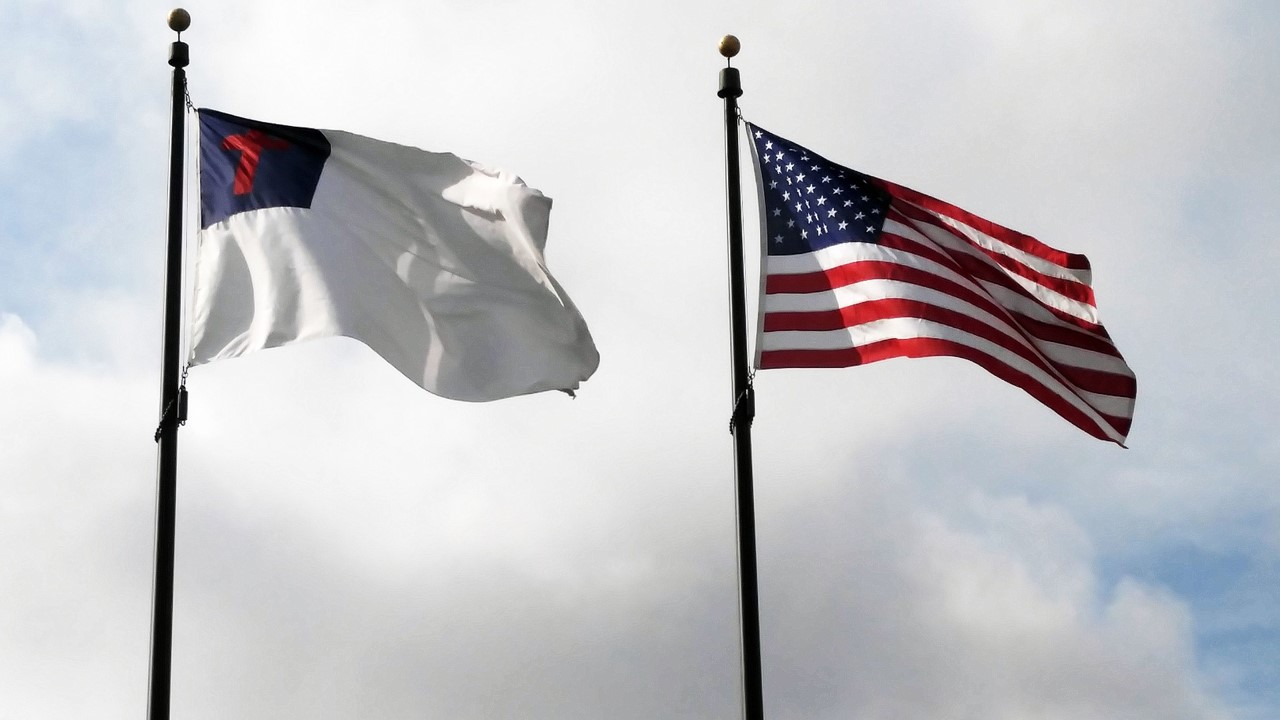
As time went on, pastors found themselves being called to get involved in the Culture War. To pick a side and join a camp while preaching who to vote for. But in my case, I had no desire to be a Culture Warrior. I simply desired to confess my faith while serving all those that I encountered with love.
Yes, pastors must address and engage the issues of their context. Nevertheless, the goal is not conquering culture, it is enriching it with Good News.
Enter Tim Keller
After hearing my answer, Rev. Whitcomb encouraged me to look for good neighbor colleagues. Ministers who were what I wished to be and whose example I could follow. Along with him I found a number of wonderful clergyfolk, and among them was a Presbyterian in Manhattan named Timothy Keller.

At first, I avoided Keller because a lot of Christians recommended his work. I was, and still am, not too keen on popular voices that are often passing fads. Yet, Keller was grounded and expressed Protestant thought in a friendly refreshing way. And he avoided the camps of the Culture War and planted his flag elsewhere.
Instead of liberal or conservative, Keller called himself “orthodox”. A bold move in a time where orthodoxy was mistaken for fundamentalism. Best of all he was an apologist who did not waste time with debates. He simply spoke and wrote what he believed to be true, and sought respect and peace in disagreement.
Gratitude
In Keller I saw the type of pastor that I wanted to be. A minister who, in the words of Gregory Neal, has no enemies among people. The true foe are the things that make us forget God’s love for and image in others. Things that compel us to fight Culture Wars instead of building communities.
Since encountering this Presbyterian, whose tradition is now my spiritual home, I have found the freedom to prioritize the well-being of other above all else. This is the heart of the Gospel that he cherished and proclaimed. That God cared so much for the well-being of humanity and the world that He gave His all to save us.
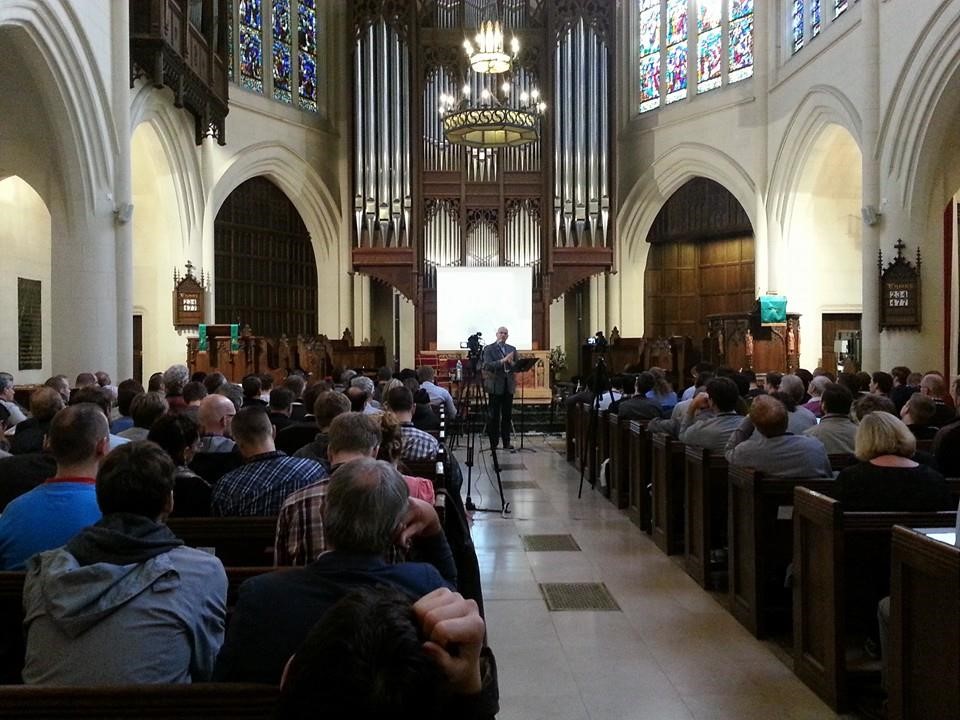
During a conference in 2014 at the American Church in Paris, I had the privilege to meet Keller in person and thank him for how he impacted my life and faith. I also got to thank him for the ways he impacted me in that moment by listening to my struggles as a Black pastor in Europe and responding with encouragement.
Because of him I have become and am becoming the pastor that I desire to be. A confessional minister who strives to be a good neighbor to all. It does not matter who they are or where they stand. I am here to serve them as he did with respect, peace, and love.
Thank you Rev. Dr. Keller for your wonderful example and faithful witness.
Rest in peace, and rise in glory.
The images featured in this post are by Scotty J. Williams, Scott Herr, and Darelle and wiggijo of pixabay.com. These images are free for public use with the proper acknowledgements.

Bittersweet - The Medicine of Ownership
Bittersweet
The Medicine of Ownership
Like the Mary Poppins song “A Spoonful of Sugar“, ownership is a medicine that needs help to go down. There are challenges that often make it hard to swallow, and benefits for those who choose to take it anyway.
The Medicine
After my last post titled, Who Holds The Keys?, some readers began to ask, “What keeps people from taking ownership?” So, I met with Karsten Risseeuw to discuss this question over a beer, and the answer we came up with was four big challenges.
I call these challenges the “medicine” of ownership, which sometimes has a bitter taste that makes it hard to swallow. Of course, more things could be added to the list, but these were the most common that we found in our respective fields.

- FEAR – When faced with taking ownership most people are afraid, and worry about all the things that might go wrong. They are especially fearful of making mistakes or the potential ways that they might somehow mess things up. Though fear is normal, so are mistakes, and they are part and parcel of what it means to take ownership. In fact, mess ups are part and parcel of life itself, and the best response is accepting and learning what you can from them.
- TIMING – Another challenge of ownership is when to start taking it, and many people get caught up in waiting for an “ideal” moment. This moment can be when they get a certain amount of resources (e.g., money) or, for the religious/spiritual, when God or the Universe gives a green light. Though waiting can be good and has its place, one can always do something to start taking ownership. It does not matter how small the step or effort might be. All that matters is that something gets done and the proverbial ball gets rolling.
- RESPONSIBILITY – Being responsible is more than a question who is in charge and/or accountable. It is the full price that one must pay for something they desire. This price goes beyond what we like and enjoy doing, and includes what feels unnecessary and seems to slow us down. For example, when I launched my website and entered public theology, I simply wanted to speak what I believe to be true while engaging societal issues. Nevertheless, what I sought required tasks that seemed like roadblocks. There were boring tutorials for formatting, fruitless meetings for connections, and long coachings for certifications. Regardless of how I felt about them, these tasks were the price tags for ownership
- OTHERS – We are not alone or the first when it comes to the things we desire. There are others who have pursued and obtained them long before we chose to. As a result, we start comparing where we are to the progress they have made, and we end up being intimidated and not progressing on the paths meant for us. Though comparison is normal the goal is not to be like others and arrive where they are. It is taking ownership and making progress on our own paths and in our own way.
Taking the Medicine
After finishing our beers, Karsten and I ordered another round. Then we talked about how one should take the medicine of ownership. Though it has a bitter taste it still must be administered, and the writer Esther Jacobs gives a good way to help it go down.

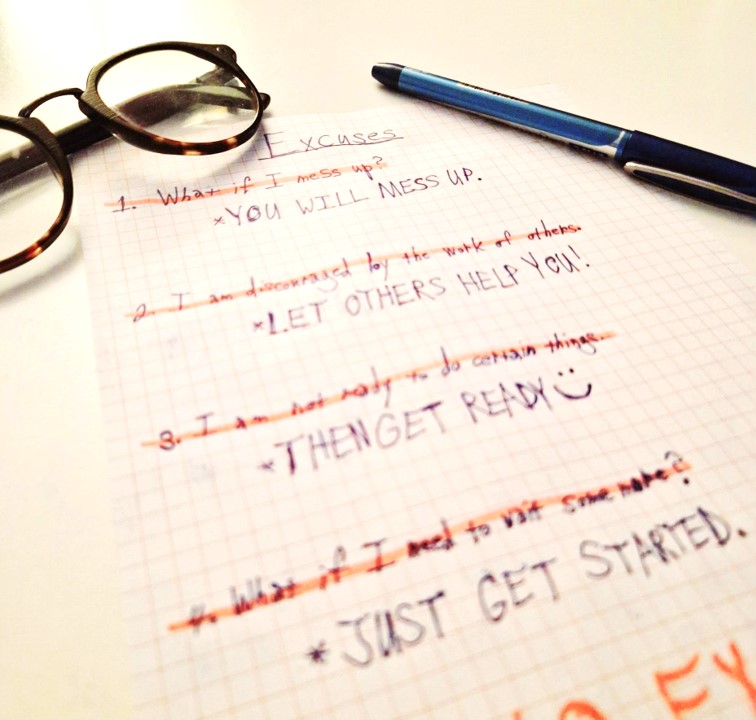
Jacobs is affectionately called the “No Excuses Lady”, and she states that ownership requires crossing out excuses. There are many reasons one can conjure to evade the difficulties. Yet, one can also conjure counter reasons to embrace and better engage them.
In my case, I wrote down every excuse that I could think of. Then l wrote down contrary statements that made them obsolete. I crossed out every reason that I could manufacture, and I got the help of others to aid me in the process.
I went to trusted friends and wise people who had what I wanted. An honest circle that gave hard truths to make me face the challenges. They also helped me to discern if what I expressed was a valid concern, or just another clever excuse to shirk the challenges of ownership.
The Sugar
Truly, one takes the medicine by crossing out excuses, and when this happens they will find a host of wonderful benefits. I call these benefits the “sugar” of ownership, and they help to curb its bitterness and bring joy in its challenges. They are:
- CONFIDENCE – When you face your fears you will begin looking at yourself differently. You will see yourself as capable, and stop downplaying your gifts and abilities.
- COURAGE – When you stop waiting for an ideal time you will become less skiddish. You will gain a boldness to welcome new things and be less hesitant with stepping out.
- KNOWLEDGE – When you take responsibility you will learn new information and skills. Assets that will bring great growth as you actively apply them. You will also get a healthy self-trust as you do what needs to be done and complete important tasks regardless of how you feel about them.
- WISDOM – When you stop comparing yourself to others you can learn from them. You can glean from their failures and successes, and better walk your own path. You can also get away from pointless competition, and see them as catalysts and co-laborers who encourage and inspire you.

Like the challenges other benefits can be added to the list, and the greatest benefit is exchanging bad values for good ones. Mark Manson defines good values as the things that really matter. Things that make our lives more peaceful and joyful as we walk the paths that are meant for us.
Since progressing down my path I have put away bad values. I have come to find a sweetness in life and work from what is most important. I hope that more people can know this sweetness as well. Yes, ownership is difficult, but the gains are definitely worth it!
The images featured in this post are by Scotty J. Williams, Mathilde Langevin of unsplash.com, and ulleo of pixabay.com. Each image free for public use.

Who Holds the Keys? - The Importance of Ownership
Who Holds the Key?
The Importance of Ownership
Taking ownership is not easy, but it is worth it.
The Warning
Last week Tucker Carlson and Don Lemon parted ways with Fox News and CNN. They had served these networks for more than a decade and became household names in America. Despite their vast differences, both anchors had one thing in common. Each, as Roland Martin has pointed out, had insufficient ownership.
A few years ago, I found myself in a place like Carlson and Lemon, and was preparing to leave a job that I had done for almost a decade. I really enjoyed the work, and had grown in my profession. Yet, as the end of this wonderful job approached, my friend Karsten Risseeuw gave me a warning. Like Martin, he said:
Your biggest problem is not where you will work next. Your biggest problem is the question of who holds the keys to your creations. So far, throughout your career the answer has been your employers. They have each had the right to claim everything, or most of it, once you are out the door.
In response I mentioned my growing social media platforms, to which he replied:
Yes, they are yours, but you still don’t hold the keys. Someone else owns the space and can take it away at anytime. So find a way to better claim your work. Take ownership as soon as possible.

The Product
After Karsten’s warning I looked for ways to take more ownership, and he suggested that I start by building my own website. At first I drug my feet through set ups and tutorials, and I sifted through elaborate ideas that I thought would draw in visitors. There were even hard lessons that I learned from resisting Karsten’s professional advice. But what mattered most was that I did something to take more ownership.
For the first time I had a space and a platform that was truly mine, and it went beyond expanding web presence and an increase of publicity. The website helped me to focus on who I am and what I’m about. A pastor, theologian, and storyteller with a special heart for the African Diaspora. It also helped me to see the true product that I was presenting, which was not the gifts and services that I had offered to employers.

One of my mentors often says, “The real product is you, and knowing this brings a confidence that helps you trust yourself.” For us Reformed folks, who are expert self-skeptics, this can be anathema. But the confidence and trust that I found gave me a sense of worth and freedom.
There were times where a low self-image negatively affected my well-being, and I downplayed my abilities while accepting occasional mistreatment. Furthermore, there were times where I felt forced into a template, or stuck with models of ministry that were status-quo and did not fit.
By becoming the product on the platform that I had built, I could celebrate myself in healthy ways and prioritize self-care. Best of all I was able to pull out all of the proverbial stops, and discover new alternatives to the old restrictive models.
The Goal
In addition to a sense of worth, taking ownership gave me freedom, and especially from the pressure of focusing on “results”. Certainly outcomes are important and need to be achieved, but they should never be the ultimate goal of one’s calling and work.
One of the reasons that I entered my profession is that I enjoy enriching the lives of others, and it is the most selfless way that I can think of (apart from being a good husband and father) to take part in enriching the world. Even so, with these reasons in mind, results have often taken center stage, and eclipsed the joy and peace that comes from doing what I do.

Indeed, the ultimate goal should not simply be outcomes. It should be the freedom that my mentor spoke of that comes with a sense of worth. While working one should mainly do so out of love for the work itself instead of pressure. And this love is the greatest thing that I have experienced through taking ownership.
My website is a space that re-grounds me in my core reasons and values. A solace where the things that eclipse my peace and joy can be cleared away. I can write without the burdens of heavy deadlines. Speak with less concern for being silenced. Collaborate while avoiding competition. Create unbound by the fears of losing out and failure.
The Rewards
Ownership leads to works done in freedom and love, and I wish that I had learned this earlier in my career. Yet, as the saying goes, there is no use crying over spilled milk, and the only thing left to do is go forward in the here and now. Since heeding Karsten’s warning as a job I enjoyed ended, unimaginable opportunities have come my way (e.g., speaking at a UN event). Such opportunities are some of the rewards for taking up the keys. I hope that others would have the courage to do so and open doors to amazing places unknown.
It is not easy, but I promise that it is worth it. So take ownership, and work with freedom and the love for what you do!

The images featured in this post are by Scotty J. Williams, Dragonfly Ave and Silas Köhler of unsplash.com, and ndemello and cmolens of pixabay.com.

When Bad People Die
When Bad People Die
What happens to them and what it means for the living
When those like Carolyn Bryant, Emmett Till’s accuser, pass away, many wonder what happens to bad people after they die. Many also wonder what such deaths mean for the living. In this article I give my thoughts on these important questions.

What Happens To Them?
As a pastor I am often asked what happens to people after death, and especially those deemed “bad” such as Carolyn Bryant. Because of her accusations Emmet Till suffered a gruesome death, and since then many rightly feel that justice has not been served.
As a child of 14 laid disfigured in a cemetery, she got to live to 88 in quiet anonymity. Though looked upon with scorn, she experienced life’s blessings. Blessings that Till should have known instead of the horrors that took his life.
To be honest, Bryant’s death leaves me feeling like so many others. I am angry, sad, wanting to condemn, and wrestling with unfairness. Like Till, several men in my family were lynched because of lies, while those who accused them lived on and were never held accountable.

So what happens to those deemed bad after they die? Well, my answer has changed several times throughout my years of ministry. Early on I would have quickly shouted, “HELL IS WHERE THEY ARE”, but now my reply is more earthly and less about the afterlife.
The truth is that when bad people die, the same thing happens as for everyone else. They leave bodies to be disposed of, possessions to be dealt with, and grieving hearts to be comforted. Some countries have taxes for those who pass away. So even in the throes of death, the government gets paid.
Of course, there are differences when the righteous and the wicked die. One group is cherished and celebrated, while the other is repudiated. Yet both leave things behind, good and bad, for the living. And these things impact us in the present and influence our future.
What It Means For Us?
As we look upon the things those deemed bad leave behind, we are tempted to determine where God might have sent them (a.k.a. heaven or hell). We are also tempted to focus on forgiving by putting aside our bad feelings and not speaking ill of them.
To be clear, I do believe in a judgement after death, and that forgiveness of the deceased is possible and has its time. But the absolution the departed need is not ours to give, for the afterlife and those within it are God’s business alone.
What is our business is this mortal plane and those within it, and finding life together whenever death presents itself. All deaths, even those of the wicked, mean a new beginning for the living. Yet, to have a wholesome new beginning we must do four things. We must:
1. Feel Freely – It is okay to experience emotions like anger and sadness and sit in them for a bit. In fact, it is healthy and necessary. Emotions in and of themselves are not bad, they are simply indicators of how something has affected us. When it comes to the dead, we should sit in the feelings that their memories invokes. Feelings that show us the affects that they have had upon our lives.
2. Speak Honestly – Telling the truth about wrongs done by the deceased is not showing disrespect or speaking ill of them. It is rightly acknowledging the impact of their actions on us and others. Furthermore, there is nothing wrong with expressing what I call “harsh hopes” for the deceased (e.g., an uneasy afterlife). This helps us to verbalize and express negative emotions, and to gain a good perspective.
3. Pray Earnestly – In addition to the afterlife, this life is God’s business. Therefore, we should bring the things before Him that the deceased have left behind. He is just as concerned about the condition of living as He is for the dead, and desires that we rest in peace on this side of the grave. And for those who are not religious, there are other means of finding the rest that prayer brings. There are support groups, solidarity circles, concerts, and additional avenues that offer strength and comfort through something beyond ourselves.
4. Work Boldly – Along with faith there must be courageous actions. Actions that are rooted in a hope that all wounds can be healed. This hope moves us to aspire each day to leave the world a bit better, and to repair the breaches left behind by those who have departed. As we work boldly we should not work alone, but join with others who share this hope and aspire to make things better.

What Will We Leave?
Indeed, all deaths mean a new beginning for the living. A second chance at life to change this world while we are in it. Mamie Till saw this after losing her son, and she vowed to not hate Bryant and the men who were responsible. Instead, she committed her life to putting down injustice, and keeping other parents from knowing her grief. And when she passed away, she left behind good things. Things that continue to help the living and make a brighter future.
I hope that my life and death will be like those of Mamie Till, where the future is a bit brighter and good things are left behind. I also pray that this becomes a norm throughout society. That we purpose to live and die well so that it might be well long after our time. Despite the deep wounds that those like Bryant have inflicted, we can be agents of healing and peace that bind them up with love. And when we stand before the God that all souls, good and bad, must meet, we will find that He will be well pleased and need not fear His judgement.
The images featured in this post are by Scotty J. Williams, PilotBrent and drippycat of pixabay.com.
The Creole Collection: Odes to Ancestral Childhood
Passe Blanc (Pass For White)
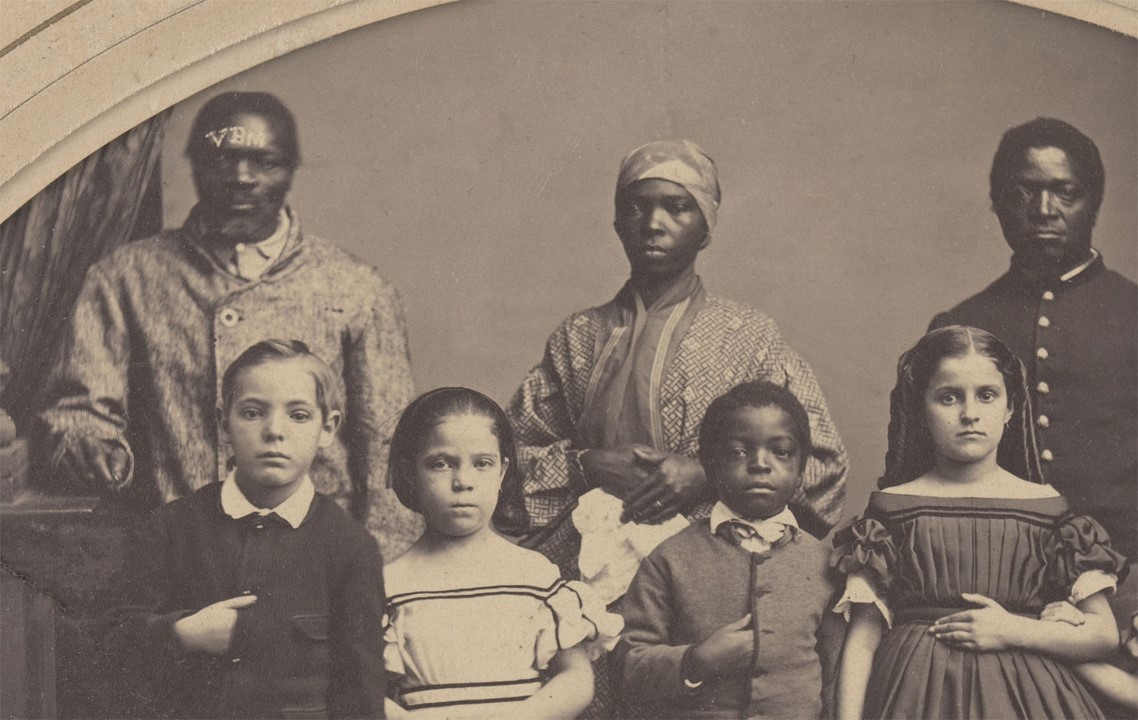
I wrote this poem after hearing the story of a dark-skinned Creole boy and a light-skinned Creole girl from my home parish in Louisiana. They were the best of friends through childhood and adolescence until the girl, in response to the boy’s marriage proposal, chose to leave their town and go "Passe Blanc" (pass for White).
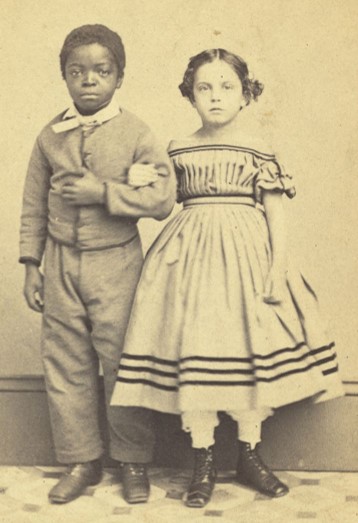
Not long ago I walked with you on edge of childhood dream.
Behind the willow tree we stood young friends about sixteen.
Why do you turn from me Catin [doll]? Why do you look away?
Is it my skin as dark as night? Not fit for you as light as day?
Move mountain for you that I would; move ocean, sea, and tide.
Write your name in the stars I would, and in your heart abide.
As moon to sun I am to you, without me incomplete.
As sun to moon you are to me, your radiant beams so sweet.
See and love my skin so dark, cherish this mortal frame.
For like your frame so light and fair, from God Himself mine came.
Look not beyond Sha [dear] what I am, and see a kindred soul.
The colorblind see what they wish, and I am left unwhole.
Tis not a waste to love you, tis not a hopeless endeavor.
I vowed to you my faithful heart, and bound it up with fetters.
Walls of partition strong and still, and built by those depraved.
They look upon my kind and kill, not wishing to be saved.
Why do you flinch when I draw near?
Why does my blackness bring you fear?
Was I not your dearest friend once upon a childhood dream, where I was coffee and you were creme?
You who I dreamed to caress and undress, and love with a tenderness within a union God had blessed.
Wé, Lami [Yes, my friend] our dream is past, yet I keep on dreaming.
Dreaming of us at the pond, watching moonlight gleaming.
Dreaming of a love which the hateful cannot sway.
In love we’ll be together….
But never….
This way.
Le Bâtard (The Bastard)
Some of my ancestors were the illegitimate biracial children of European planters in south Louisiana. Many of them looked White, but were often claimed by Black stepfathers. This poem is a biracial boy's tribute to the stepfather who raised him.
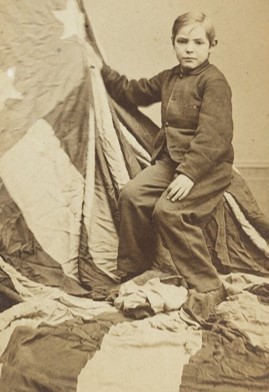
I am no son of princes, but cutters of the cane.
The Mighty Ones with fingers sweet and sceptre from a blade.
The Noblemen with presses high and rugged feet their cart.
And to the eye their realms unseen, while shining in the heart.
O Father, come and hear this child who knows the story well.
Of awful days where you would rage as Mother would not tell.
The things that she endured for me and all my bastard kin.
The work that made her mockery by saints who call it sin.
For us our Mother gaily danced with clouds in earthly halls.
Like those who sailed across the sea between the cabin’s walls.
With hoisted skirt and curtsy low to bear the serpent’s kisses.
And lift us high from hell below to know of heaven’s blisses.
Yet as we flew, your blistered hands held back the boiling rage.
With hopelessness for love you lost and failures on a page.
“Behold”, it reads to broken men, “The writings on the wall.
From cabins gone across the sea to steps within the hall.”
For us our Mother heard the tune and danced away from home.
To waltz upon a wealthy street that you could never roam.
In cottages, beyond the fields she tasted privilege sweet.
While you remained with sugared burns and poverty’s deceit.
Yet even still, you knew the day when Mother would return.
In finery with progeny which clouds had come to spurn.
And powerless you swallowed pride to help the tumult pass.
For what was lost was found to you, but never whole at last.
You drank it deep from humble’s well to take me as your own.
And claimed me for your progeny despite your righteous groans.
It mattered not the mix of blood while Mother served as mistress.
For Gracious Kings, they can forgive and build up broken fences.
So by your hands I stand absolved and look upon the blade.
And sit upon the presses high with rugged feet unswayed.
I claim your kingdom as my own, and treasure all its glimpses.
To cry aloud through then and now, “I am no son of princes.”
Le Garde (The Keeper)
To survive the racial climate of Louisiana’s past, some free Black women entered a system called “plaçage”. This was a civil union with a wealthy White man, and the woman's family would benefit from the privileges and protection that it brought to them. This poem is the story of a girl whose family is grooming her for plaçage, and her feelings about the practice as she thinks about the future.
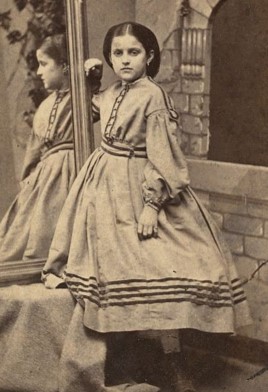
“You are yo family’s Keepa chile”, the charge from Mo Granmè [my Grandmother],
While combing out my auborn locks unlike her snowy hair.
“De balance be against us now, and poupé [darling] dis you know.
Like how dey talk at marketplace and everywhere you go.”
I walk like them, but people think my Mama is my maid.
And talk like them, but whispers say my Brother is my page.
And then my Papa drinks like fish to drown away the truth.
And by his absence says to me, “There’s nothing I can do.”
“You are yo family’s Keepa chile”, she holds the dress I’ll wear.
The legacy of our poor house from other ones so fair.
It’s hard to be the future hope wrapped up in present dreams
And tied down with a cry of yore from kindly hearts deceived.
My Mama hopes to leave the wash.
My Brother dreams to leave the work.
My Papa cries to leave the waste, and come back to his rightful place.
And how I wish that they would be for me a Holy Trinity,
A balance for the broken scale that destines me for future sale.
“You are yo family’s Keepa chile”, she clasps the pearls I’ll wear.
But I care not for Granmè’s voice or see her gentle stare.
I care not for the man she’ll coax to offer me the world.
For how I wish that I’ll be kept as daughter……sister…….girl.
Gloire (Glory)
Following the Civil War, many emancipated Black-Creole slaves from south Louisiana converted to the Baptist faith. Some also, like my family, intermarried with former slaves from the State's Anglo-Protestant parishes and took English surnames. This poem is written to honor the Protestant Black-Creole line, and is based on an old Black Baptist hymn titled, “Walk This Road To Glory”.
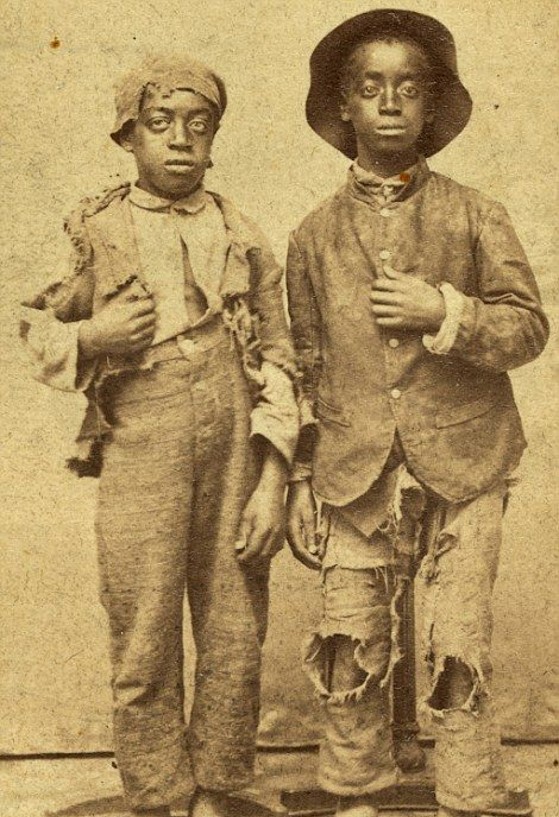
We walk this road to glory now, my Lawd [Lord] and you and I,
And shout to tell a story that is not so by and by.
A story more than sorrow’s sigh in rain and shine and sleet
With warming joys that now foretell the treasures we would keep.
We’d keep our songs in chainy rags while tillers of the soil,
And keep our play and happiness through sunup sundown toil.
We’d keep our taste for finer things at troughs with umble mush,
And hold our lowly heads up high through captor’s whip and crush.
We’d keep our smell despite the stench of indigo we stirred,
And keep our sight in rising fumes that made our visions blurred.
We’d keep our mother knowing not what she would come to be,
And hope with father waits for us on coasts of liberty.
We’d keep on hearing pleasant sounds with open ears that weep,
And keep the words of blessed hope from Elders who now sleep.
We’d keep the maps they drew for us that spoke of hidden trains,
And follow them across sea from island to the main.
We’d keep the news of battles won and bondage obsolete,
And keep our shoes to board the boat with nothing on our feet,
We’d keep our peace on waters rough and there our visions cast,
And calm them saying, “Peace, be still!…..Together!……FREE AT LAST!”
Indeed we walk a splendid road, my Lawd, and you, and I,
For we are not the victims of a dark and changeless sky,
We are from those who made it out to smile at troubles gone,
And to the ones we’ve left behind, for them we shall go on.
Trois Souers (Three Sisters)
Due to their mixed ancestry, many Black-Creole families (and Black American families in general) have a variety of skin tones. Quite often those who were lighter went chose to pass for White and distanced themselves from their darker relatives. Nevertheless, many families resisted letting skin tones tear them apart, and proudly stayed together. This poem is a tribute to the families that resisted, and tells the story of three sisters who claimed each other in life and death.
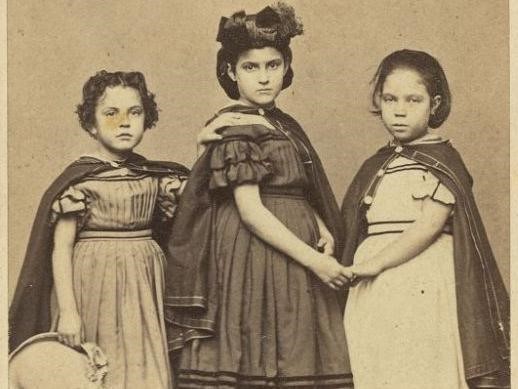
We sisters three speak out from death as echoes of the past.
In childhood form when we were young together holding fast.
We speak to you with bones enfleshed alive before the grave
While ours are piles of ash and dust in tombs that bear our names.
As children we went hand and hand through alleyways and streets
Our mother’s pride and father’s joy with suede upon our feet.
With little care that each our shades were many worlds apart.
Our mother bole, our father bronze, and shine they did impart.
Amitié [love] it was shined on us, and this the oldest took.
She cared not what the doctor said nor wrote within his book.
She let it grow and gleam in her, a care our parents sowed,
And in the end, she offered care and built a happy home.
Espoir [hope] it shined on us as well, and this the middle took.
She cared not what the teacher said nor wrote within her book.
She let it glisten in her hands, a dream our parents cast,
And in the end, she took her dreams and watched her vision pass.
Confiance [faith] the last to shine, and this the youngest took.
She cared not what the clergy said nor wrote within their books.
She let it sparkle when she spoke, a trust our parents had,
And in the end, she trusted self and God Who made her glad.
When those who brought us in this world had come to breath their last,
We three remained, despite the grief, as grownups holding fast,
And though our bones be ash and dust, we still remain for you.
To speak in death a word of life; a charge of timeless truth.
Care as we cared….
Dream as we dreamed….
Trust as we trusted….
And you will find….
The sun which led us leading you
Through the days and nights of can’t get through,
Through the months and years till all is through.
To the place where we will welcome you.
A place where you can breath and rest
Till the breath returns and within your chest
And you rise from ashes bones enfleshed
While the dregs dry up in cup of death.
But until then we sisters three await you in the grave
And whisper loud as piles of dust in tombs that bear our names
Amitié, Espoir, et Confiance
Call us and we shall hear
And shine on you faith, hope, and love
Take up our lights and live.
Présent et Passé (Present and Past)
Slavery took many children from their families, and left them without the guidance and protection of their parents. As a result these boys and girls had to parent themselves, and after entering adulthood they struggled with deep traumas and a constant sense of abandonment. This poem shows a Freedman trying to face these childhood issues by talking to his former unemancipated self. He speaks in an old Black dialect from North Louisiana, and he offers a powerful hope to his past from an abundant and joyful present.
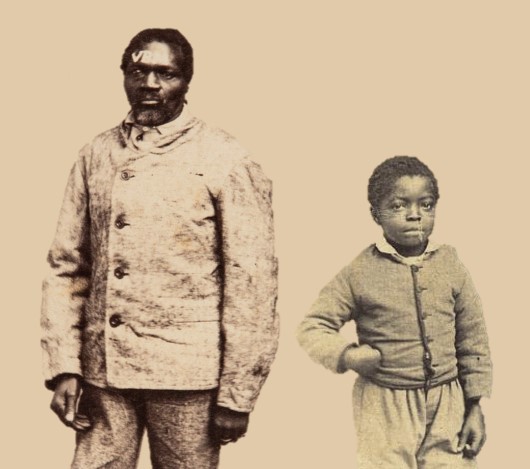
(DIALECT)
To de lil boy I was befo,
You gone be awright.
Doh yuh stomach growl, yea mo it scream, from empty supp at night
A supp uh roasts dat ain’t got flesh, de trimmings, an de bones
Wid potage beans uh simple wish from tiny lips dat groan.
Dese groans be yuhs from ripened fruit imagined on de vine.
Dey pressed fo juice by heavy dreams uh better dayz sublime.
You see, I kno yuh worries boy and whispas uh concern
An unnerstan de flurry bearin tings no chile should learn.
No chile should entuh hard knock school, but propa school at play.
An none yuh age should hear de streets, but Pedagogues dat say,
“Siddown an dream, you got de mind. Come on, you got de heart.
Siddown an rest, you earn it chile. Come take dis here yuh start.”
Siddown ol self, resist de lie from tongues dat speak attack
An break you down wid defamations guise as troot in Black.
Come stan behind de Fewchuh Self, who know de road ahead
An see dis worl is mo dan White and findin daily bread.
Dis worl is meant and made fo you!
Dis voice uh mine will guide you troo!
Fo I done tol dem stay from you
Who bear de shade wid no excuse.
O lil boy I was befo,
You gone be awright.
You got it good from where I sit wid stomach full at night,
No mo to growl.
No mo to scream,
No mo to groan.
But sang and dream.
And sang you will as sang you do,
For here I sang and talk to you.
(TRANSLATION)
To the little boy I was before,
You will be alight.
Though your stomach growls, yea more it screams, from empty supp at night
A supp of roasts devoid of flesh, its trimmings, and the bones
With potage beans of simple wish from tiny lips that groan.
These groans are yours from ripened fruit imagined on the vine.
And pressed for juice by heavy dreams of better days sublime.
You see, I know your worries boy and whispers of concern
An understand the flurry bearing things no child should learn.
No child should enter hard knock school, but proper school at play.
And none your age should hear the streets, but Pedagogues that say,
“Sit down and dream, you have the mind. Come on, you have the heart.
Sit down and rest, you earned it child. Come take this here your start.”
Sit down old self, resist the lie from tongues that speak attack
And break you down with defamations guised as truth in Black.
Come stand behind the Future Self, who knows the road ahead
And see this world is more than White and finding daily bread.
This world is meant and made for you!
This voice of mine will guide you through!
For I have told them stay from you
Who bear the shade with no excuse.
O little boy I was before,
You will be alright.
You have it good from where I sit with stomach full at night,
No more to growl.
No more to scream,
No more to groan.
But sing and dream.
And sing you will as sing you do,
For here I sing and talk to you.
Ils Disent (They Say)
After the end of slavery in American was announced some former owners through farewell feasts before former slaves went off. Before them was a promising world where they were fully human beings and citizens with all the rights and opportunities given to others. This poem depicts a farewell feast where a former owner and his wife look for ways to keep their former slaves from leaving the plantation. It is told from the perspective of a child who, with her community, refuses to remain.
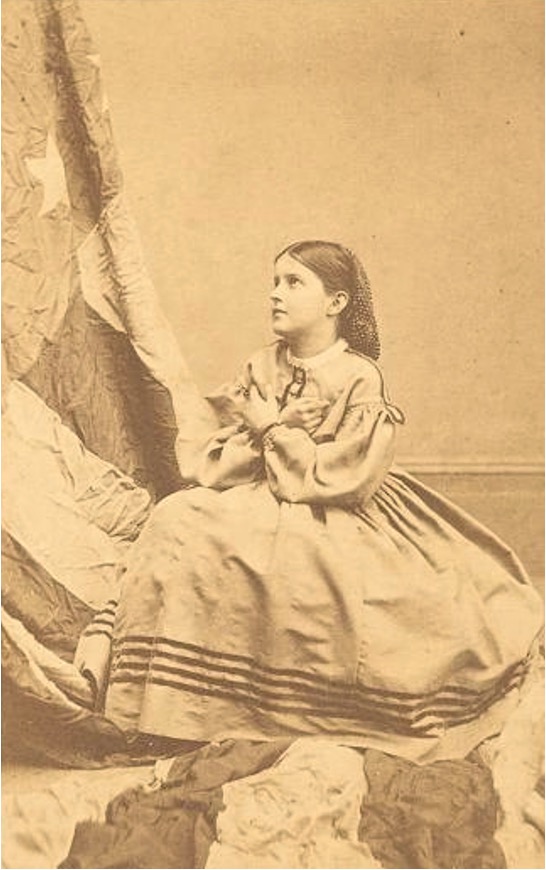
They say the flag is ours now, yet I recall a time
When stars and stripes were something else for people of my kind
The first appeared when Maîtresse’ [Mistress’] hand would clout me cross the cheek
And second Maître [Master] brought about in lashes indiscreet
They say the land is ours now and we should seek to blend
Or disappear in melting while better days begin
But better says for Maître spell a revenue decreased
And Maîtresse begs to keep us after government release
They say the choice is ours now and this is why she pours
The wine she sipped and coveted in life above the chores
And then he comes with plate of ham denied to us in need
The flesh we raised and slaughtered cured to satiate his greed
They say the fate is ours now and beckon us to dread
Through questions of intelligence and sources of our bread
“Give us” be not a word to Him Who fashioned from the dust
It be plea for charity and gratitude for crusts
And so the Maître offers pork
And next the Maîtresse offers drink
Together make a feast for us to stave their fortune’s sink
Yet we care not with loaded carts and visions at the gate
And begging brings far little change despite the loaded plates
While born on it we children leave the cabins far behind
While married there our parents leave the warmth of pleasant times
While resting there our Elders leave the former joys of heart
And even those now buried are not distant and apart
By wagon, foot, and other means we go off from this place
And hear them say “You’re family” and calling it our place
They say this flag is our now with land and choice and fate
And maybe these are really true beyond the curly gate
Perhaps it all belongs to us, but only this we see
Behind us broken promises, before us wholeness free
These poems are © Scotty J. Williams
That We Might Live: The Meaning of Eastertide
That We Might Live
The Meaning of Eastertide
Easter is more than a day of celebration. It is a season of gratitude.
Bunnies Do Not Lay Eggs
The worst Easter sermon that I have ever heard was from a guest pastor who visited my childhood Church. He really hated Peter Cottontail, and other seemingly pagan trappings of Easter.
The preacher warned that the holiday was named after the Germanic goddess Ostara, and that rabbits were an offering from those who came to worship her. And our beloved Easter eggs were not spared in his sermon, for apparently they came from cults and symbolized fertility.
As he closed his message the preacher, in good Baptist fashion, called us to be “Biblical”, and implored parents:
Tell your children that bunnies do not lay eggs.

Rejoice Or Be Right?
Years later, while reflecting on that awful Easter sermon, I found myself a pastor facing concerns about the holiday. Parents sought to be Biblical, as all Christians parents, and Christians in general, should. They wanted nothing more than to honor Christ while raising up their children.
Though not yet a parent or married, I understood their worry. Furthermore, I understood a fear of loss that they were carrying.
What if they had to lose the painted eggs for Jesus?
What if they had to lose the jelly beans for Jesus?
What if they had to lose the colorful clothes for Jesus?
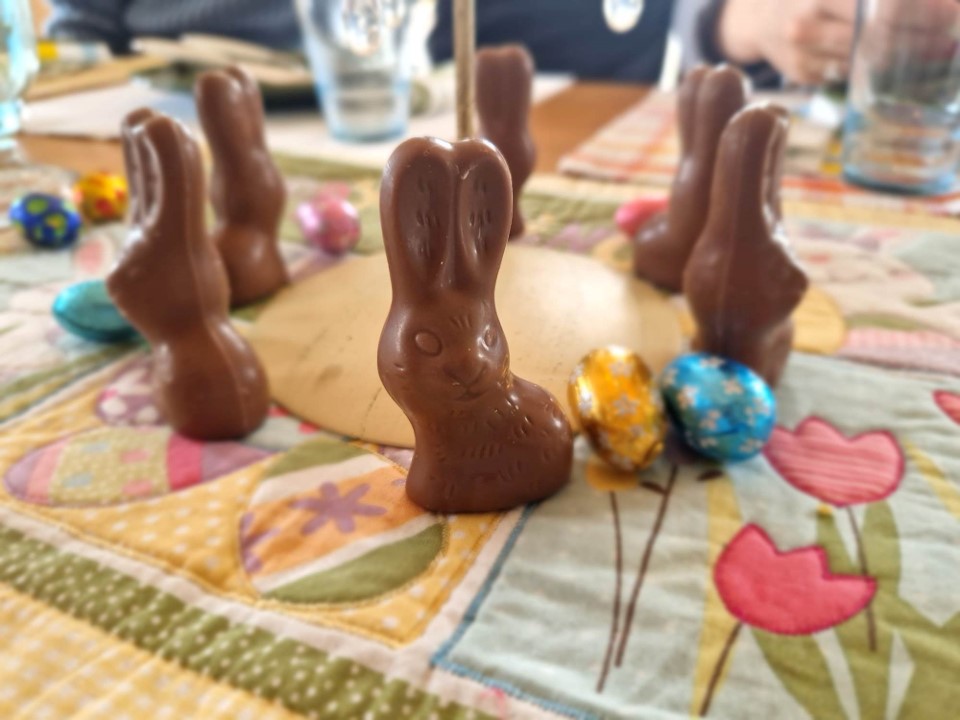
What if they had to lose the chocolate bunnies for Jesus?
In the end, the parents meant well with their concerns about Easter, and in response I encouraged them to get away from “being right”. Of course, we must Biblical and turn from what is false. But Easter is about rejoicing for the gift that Christ has given us.
A Season of Gratitude
While training for the ministry, a professor told me this:
Easter is more than one day where we celebrate the Resurrection. In fact, it is a season, called Eastertide, where we show our Lord gratitude. He gifted us life by giving His own, and we thank Him by living it to the fullest.
Though many of our traditions might have pagan connections, they entail good things within this world that can and are meant to be enjoyed. We can still have fun coloring eggs while questioning their origins. We can still eat take jelly beans, which came from Boston, and pick out the flavors that we don’t like. We can still dress up in colorful clothes and feel dapper. And we can still eat chocolate bunnies without feeling like idol worshipers.
When we rightly enjoy such good things, we tell Jesus, “Thank You!” He receives gratitude that He deserves, and we take up the gift that He has given.

That We Might Live
Many Christians, and non-Christians alike, think that Jesus died to stop the wrath of God. But the truth is He died that we might simply live. He came that we might have life and have it more abundantly [John 10:10], and this is the point of Eastertide and all of its traditions.
Through the cross and stony tomb, Jesus opened the door for a better tomorrow. A tomorrow that should be boldly embraced without the fear of failure of punishment. As I told the parents years ago,
You will not always be biblical, but you will always have a gracious God Who is with and not against you.
In addition to having life, Eastertide tells us that God is for us, and calls us to daily enjoy good things in a world that He made good. So in this season enjoy the jelly beans, colored eggs, and chocolate bunnies without fear. And make this a practice for all seasons, even those that are mundane.
Strive to delight each day in the good things around you, and by this you will have an abundant life and live it to the fullest.
The images featured in this post are by Scotty J. Williams, and RyanMcGuire and suju-photo of pixabay.com.
Sitting with Death (A Prayer for Holy Saturday)
Sitting with Death
A Prayer for Holy Saturday
Jesus and Moonshine
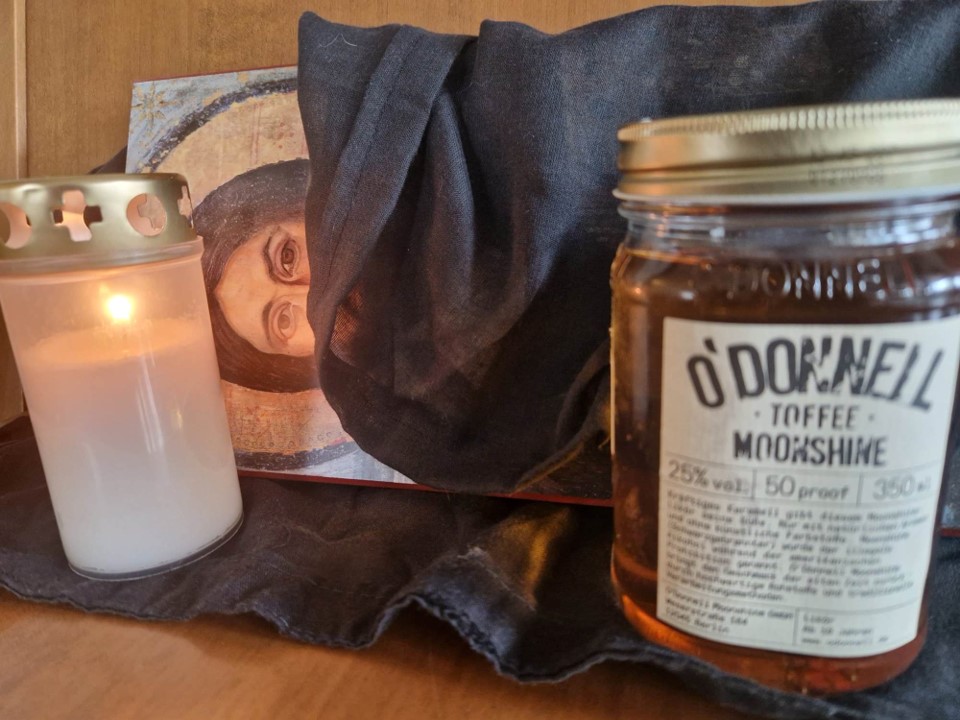
Every community has its traditions when death comes around, and one tradition in mine involved a jar or bottle of Moonshine. At a wake or after a burial the men would gather around, and swap stories about the deceased not shared within the eulogy. Their accounts would shine different lights on a life no longer with us, and with each account they would take a sip of the strong and scandalous drink.
Besides their stories of the dead, the men would talk about Jesus (perhaps this is one of the things that piqued my interest in becoming a pastor). They would theologize and shine different lights on the Savior. Lights informed by the Bible, folks tales, and personal life experience. And with each divine thought they would take the jar or bottle from its hiding place, for Moonshine could be sacred when sacred things were discussed.
Sitting With Death
Regardless of how one might feel about the presence of Moonshine, the men did something that is necessary and that many people avoid. When death touched our community they did not soften its blow, and they did not try to beautify it with Bible verses and sweet clichés. They also did not use alternative words and metaphors. Instead, they sat with the Grim Reaper and spoke of how it made them feel.
Contrary to popular belief, death is not a friend. It is a part of life that disrupts our joys, and replaces them with grief, anger, and fear. We grieve those taken from us. We rage at the unfairness of it all. Then, despite what we believe or think is next, we face an endless unknown with questions we cannot answer.
How will it be for us when it is our turn to die?
What if everything that we believe and don’t believe about death is wrong?
How can we extend our lives on earth as long as possible?
What if death is an eternal sleep and permanent oblivion?
A Prayer for Holy Saturday
Truly, the men in my community sat with death when it came, and the same is true for those who follow Christ on Holy Saturday. On this final day of Holy Week, we do more than remember His entombment. We pull up a chair with an enemy that leaves us downcast, vexed, and frightened.
In our sitting we express our feelings while telling the stories of those we lost. Stories that bring us comfort and connection beyond the veil of tears. Yet, as we weep we can rest and find joy, for we hold that death is not the final word despite the pain that it brings.
Though a powerful enemy, death is a defeated enemy. It has been conquered through a cross and grave that were taken up on our behalf. Therefore, we can sit with the Grim Reaper with hope amidst despair, and speak with gratitude for the One who gave His life that we might live.
Here is my prayer for this year’s Holy Saturday, and feel free to use it.
Almighty God, Whose precious Son endured the cross, we look back to His stony tomb and take the time to feel His death. Help us to not skip over the darkness of Holy Saturday, and fast forward to the light of Resurrection on Easter morn. Just as Christ has risen we acknowledge that He has died, and our joys have been replaced by sorrows that leave us without words. We sit with the grief, anger, and fear brought by an enemy, and we stare it in the face with hope for it has been defeated. Death is not the final word, and for this we give You thanks and praise. To You be the glory forever and ever. Amen.
The image featured in this post is by Scotty J. Williams.

Welcome Back Robe!
Welcome Back Robe!
Reclaiming my call
For this year’s Holy Week I was guest preaching in Berlin, and for the first time in a year and half I wore my robe again.
A Painful Reminder
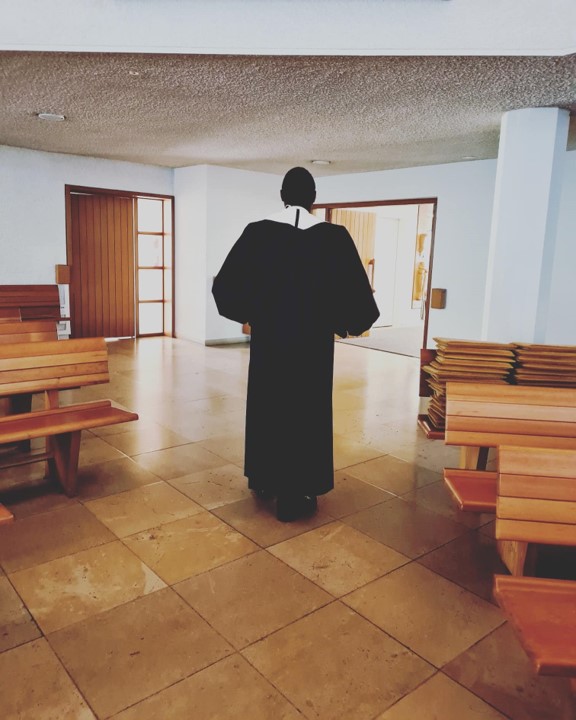
The last time I wore my robe was in November of 2021. It was Christ the King Sunday, my favorite feast, and the final service of All Souls Protestant Church. After the Decommissioning Ceremony, I recessed with my head held high. But deep down I was feeling low, and my sorrows emerged in a peculiar way.
Suddenly I found myself unable to wear my Geneva gown. A preaching robe in the Protestant tradition that I have loved since becoming a pastor. I also found it hard to put on my cherished preaching bands, which I dreamed of wearing since childhood and collected as a hobby.
The truth is, that the end of All Souls shook my sense of call. For the first time I did not feel like a pastor, and the vestments (save my alb) seemed alien. Of course, I had encountered hard times in ministry before, but none of them compared to this. The garb that I loved was now a painful reminder of a loss that felt like failure.
You Are Not A Bad Strawberry
Indeed, my sorrows emerged in an very peculiar way, and after seeing this my wife urged me to reach out to a therapist. Thankfully, my denomination has resources for counseling, and during my first session the therapist shared an interesting story.
His grandfather was once in charge of produce for a large grocery chain, and one year their strawberry sales were plummeting. Though the berries were plump and red, their flavor was not so sweet. So, his grandfather called a soil technician to check the supplier’s field.
It turned out that the problem was a lack of minerals in the soil, and after finishing the story the therapist smiled and said this:
Sometimes the issue is really with us pastors, but other times it is with the place where we have been planted. Though you are not perfect, you are not a bad strawberry. You were simply in the wrong ground or a place where you could not thrive.
Good Ground
The news of not being a bad strawberry brought a much needed relief. It also gave me the comfort of knowing that God did not see me this way. I will still a pastor and my call had not changed, but what needed to change as I went forward was the ground that I was on.
To be clear, I believe that my time at All Souls was the Lord’s will, but the context I was in was not one where I could thrive. So looking ahead I prayed for the Lord to lead me to good ground and, as St. Paul writes, I got exceedingly and abundantly more than I asked for.
In addition to invitations to preach and give the Sacraments in wonderful Churches, I was also invited into spaces where clergy are not usually welcome. There were concerts where I was asked to give encouragement through poetic homilies. And there were public forums where I was asked to address pressing social issues. Each time there was the hope that I would come wearing something clerical. People of various backgrounds in life and faith wanted to see and hear me as a pastor.
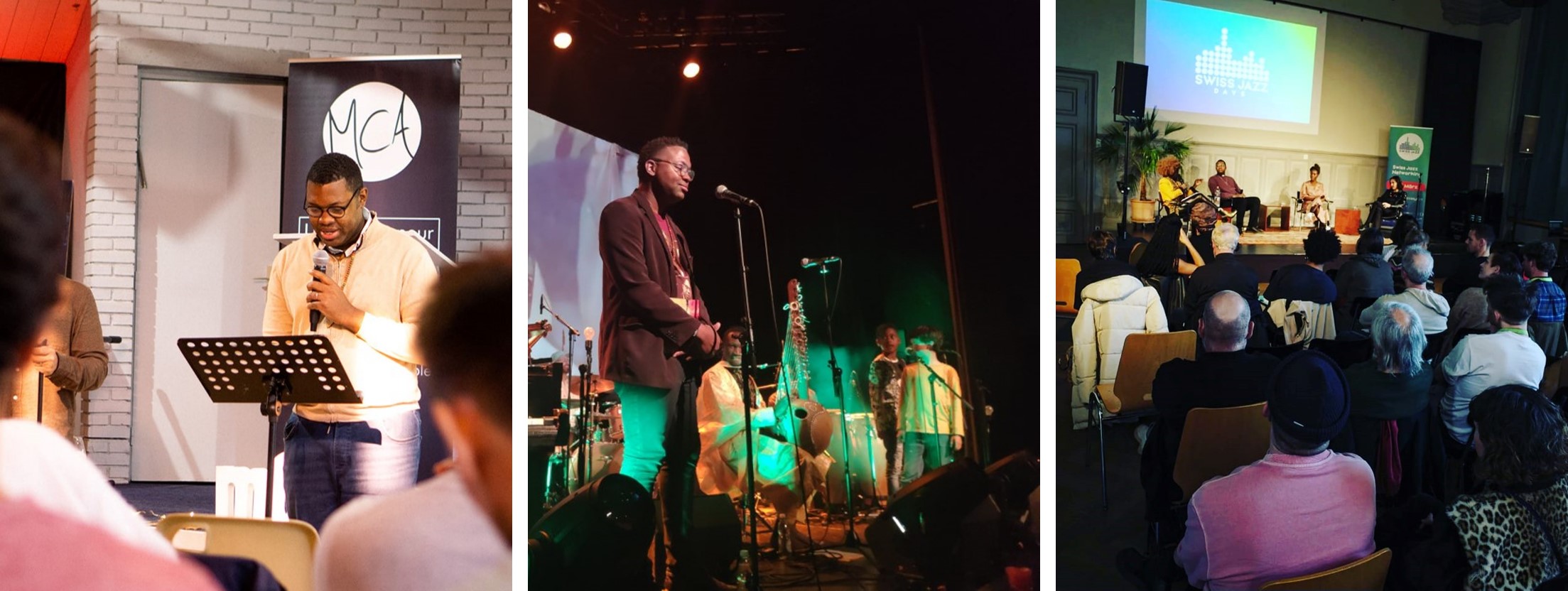
Welcome Back Robe!
The good ground that I was led to was a variety of places, and in each of them I found the Spirit at work calling me to proclaim Good News. With all of their differences these spaces, sacred and secular, had one thing in common. They each had a spirit of celebration and not just toleration.
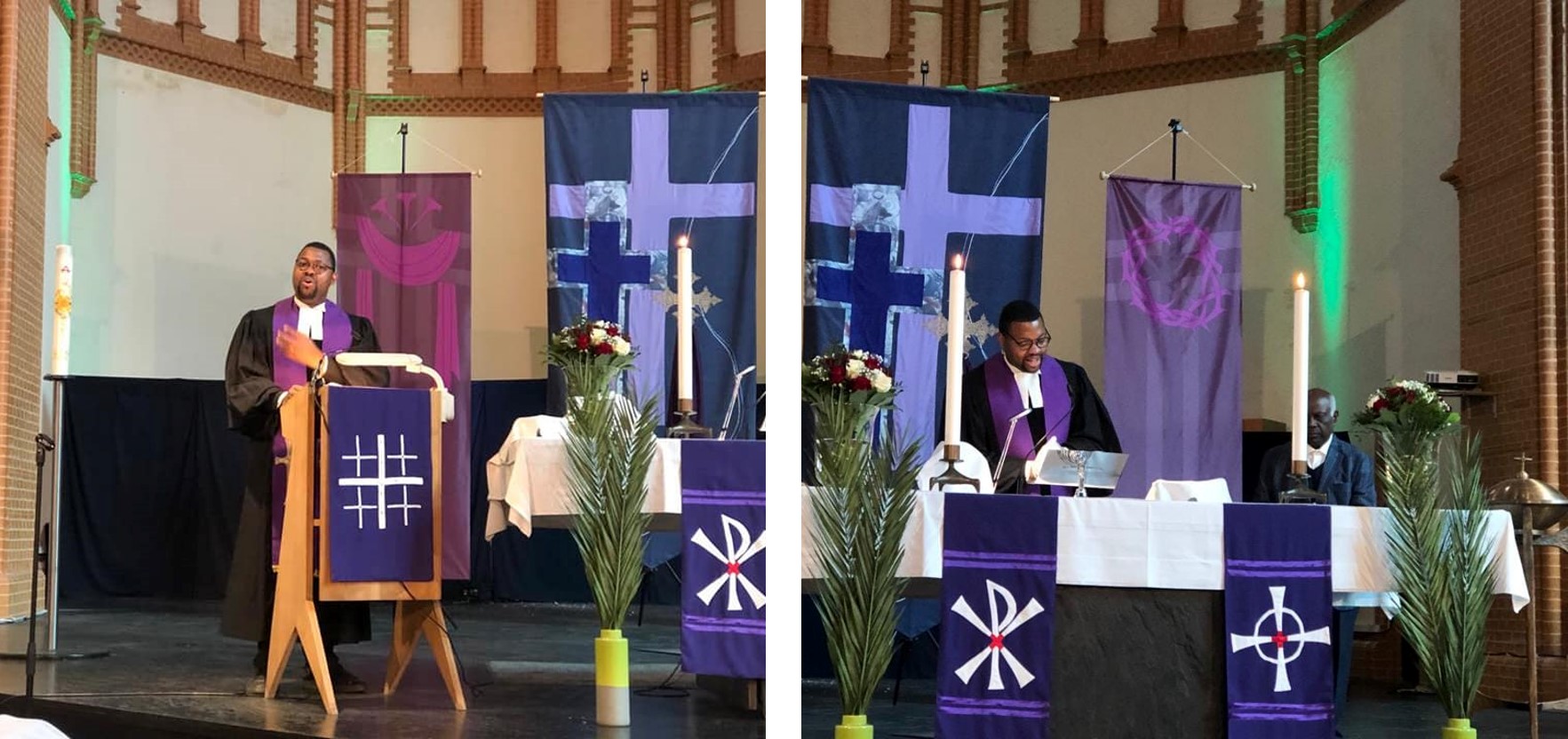
One space of celebration was the American Church in Berlin [ACB], which invited me as a guest pastor for this year’s Holy Week. While worshiping with them on Palm Sunday and Maundy Thursday, I found my gifts, and who I am as a person, accepted and affirmed with a warm and respectful appreciation.
At ACB my sense of call was strengthened and further restored, and the vestments that I dearly love were no longer alien. After almost two years, I was able to welcome back my robe and the cherished bands that have graced my collar through many sermons and Sacraments.
Compasses
There might be times ahead where I will lose my sense of call again. Nevertheless, I have gained a word for such times from the season where I hung up my robe. This word is three encouragements that all pastors should constantly remember. They can also be used by Christians in general, for everyone who follows Jesus is in some way a minister.
When you feel like hanging up your robe, remember that:
1. God loves you. (Romans 8:39)
2. God is for you. (Romans 8:31)
3. God is not done with you. (Philippians 1:6)
These encouragements are like compasses that will guide and bring you back home. Back to the call God has given to you, and beckons you to reclaim.
The images featured in this post are by Scotty J. Williams, Denise Banks-Grasedyck of the American Church in Berlin, and Valentin Potenti of Master’s Commission Auch.