

About Roland Whitcomb
Roland P. Whitcomb
The man who inspired Dancing with Divines
Roland Paul Whitcomb came from the city of Gladstone, Oregon, and for 38 years he pastored the Morrison Baptist Church of North Minneapolis. In addition to being a pastor he trained Ordinands for the ministry, and one of them was the Rev. Dr. Scotty J. Williams. As a descendant of New England Puritans Rev. Whitcomb loved their writings, and he encouraged those he trained to read them and experience their wisdom. On September 25, 2021 he passed away at the age of 91; he had never retired and preached his final sermon the Sunday before his death.
In memory of Rev. Whitcomb and in honor of his ministry, Rev. Dr. Williams has written Dancing with Divines: A Puritan Advent Calendar. This devotional features sayings from the men and women who’s examples inspired Rev. Whitcomb in life and faith, and its author hopes that they will inspire others and help them find joy in the Advent season.
Here are some of Rev. Whitcomb’s sermons:


What is Dancing with Divines?
What is Dancing With Divines?
Information about this devotional.
Dancing with Divines is a calendar for Advent, but instead of little chocolates it features honored Puritans. The Puritans were Protestants from the 16th and 17th centuries, and they shunned the Advent season and despised the feast of Christmas. In their day these special times had lost their purpose and meaning, and degenerated into festivals of lewdness and debauchery. We have also seen these things degenerate within our day, and especially through commercialism with a focus on giving and receiving gifts.
Indeed, the celebrations have lost their purpose and meaning, but we need not shy away from them or throw them by the wayside. We can recapture the powerful messages they present to us, and one thing that can help with this is the insights of the Puritans. In this calendar are sayings from their spiritual leaders called “Divines”; men and women who thought deeply about God and what it means to live with faith. They also thought deeply about the birth of Jesus, and its implications for humanity, the world, and the universe.
Each entry in this calendar is a 7 to 8 minute video with a Bible passage, quote from a Divine, and a meditation by the Rev. Dr. Scotty J. Williams. The meditations are reflections on the passages and quotes, and they address different issues that are pressing and relevant to today’s world. This devotional also has short prayers which can prayed aloud and used as a spiritual practice to reflect on the meditations.
May the wisdom of the old Divines bring your heart to dance with new joys of the Advent season and the Savior who was born for us.
Promotional Video

American Evangelicalism Explained
American Evangelicalism Explained
In God we trust
What is American Evangelicalism and what has led to its current problems? For my take on this question, check out this video from a lecture I gave at the University of Zürich.

True Reconciliation (Mission 21)
True Reconciliation (Mission 21)
How To Deal With Racism In The Church
How should Churches deal with racism? How can Christians be reconciled across racial lines? For my answers to these questions, check out this video from a talk I gave at Mission 21’s Summer School.
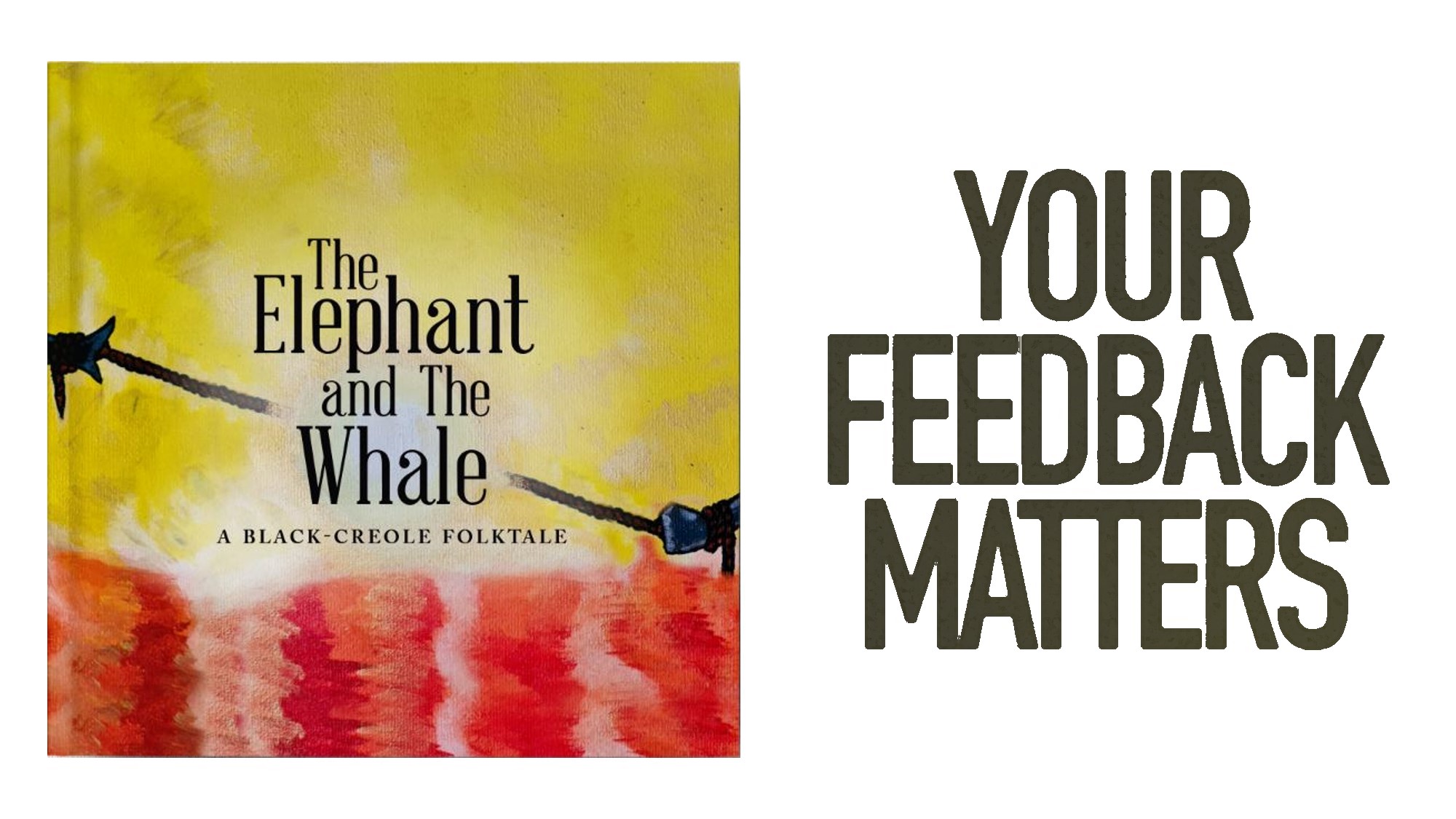
How was the book?
Many thanks to those who have ordered my children’s book, and I look forward to the news of your copies arriving. I also look forward to your back after you read it, and I ask you leave a review on The Elephant and the Whale product page.

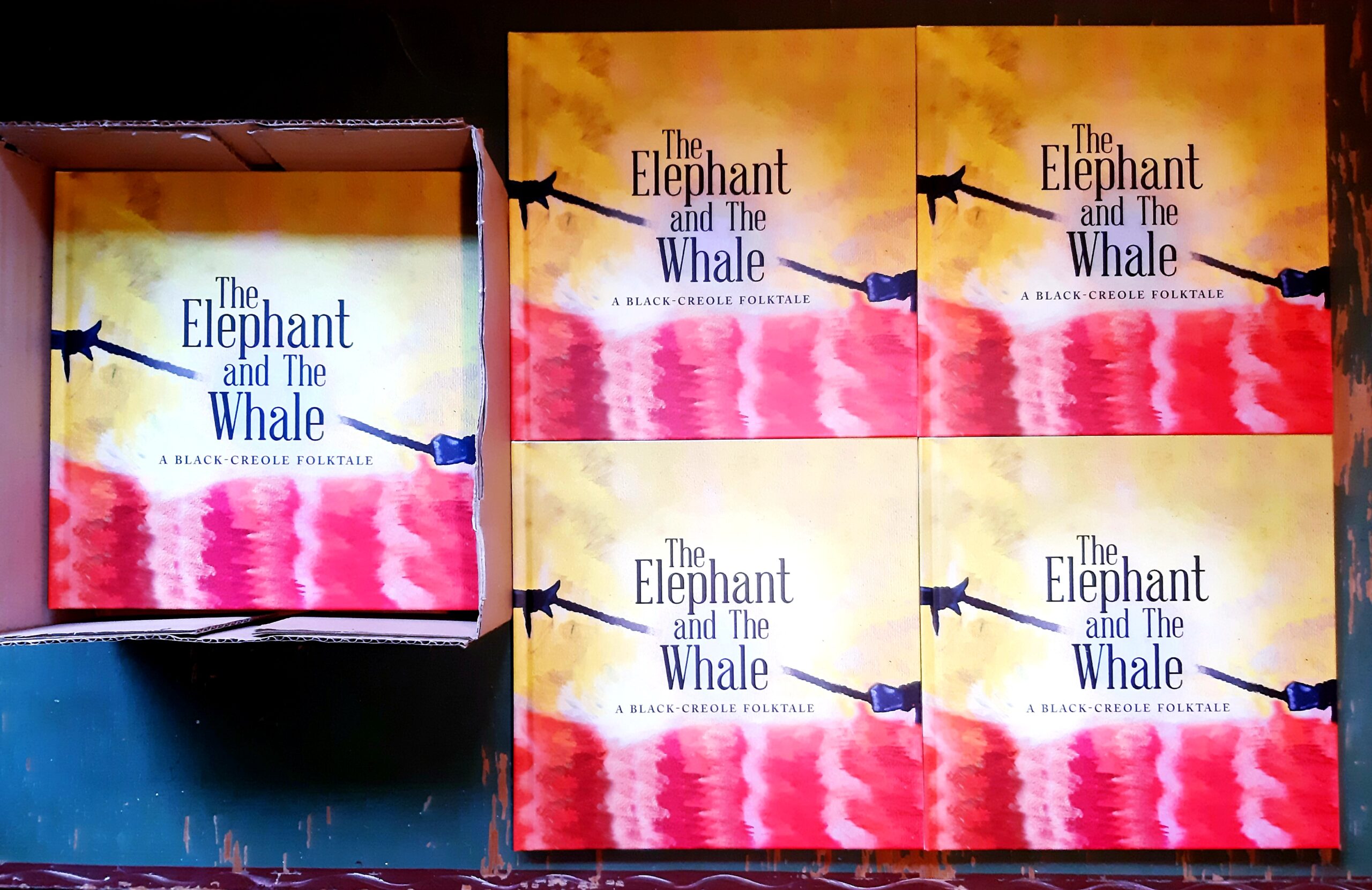
The Books Have Arrived
To place an order for “The Elephant and the Whale”, go to my shop by clicking on the image below.
The Elephant and the Whale
Price range: € 18.00 through € 30.00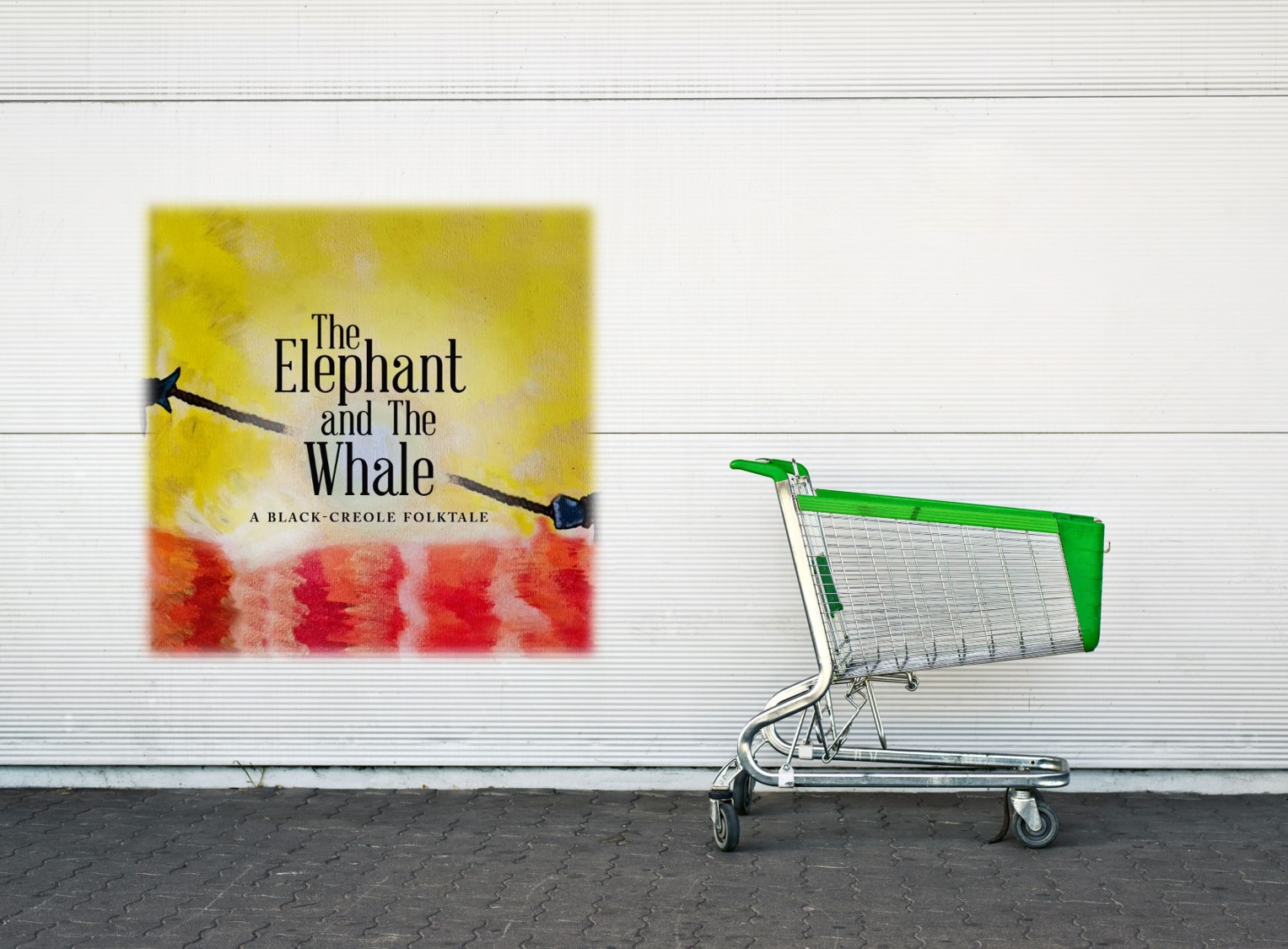
We Are Ready For Orders
My new children’s book can now be purchased at the online shop on my website. Because there are a limited number of copies, the window for placing orders will close on July 8, 2021.
Shipping is currently limited to
- Switzerland
- Germany
- United Kingdom
- United States.
Specific shipping and handling fees have been calculated and will be added upon purchase.
This book is currently in production and will be ready to ship in July 2021.
To place an order for “The Elephant and the Whale”, go to my shop by clicking on the image below.
The Elephant and the Whale
Price range: € 18.00 through € 30.00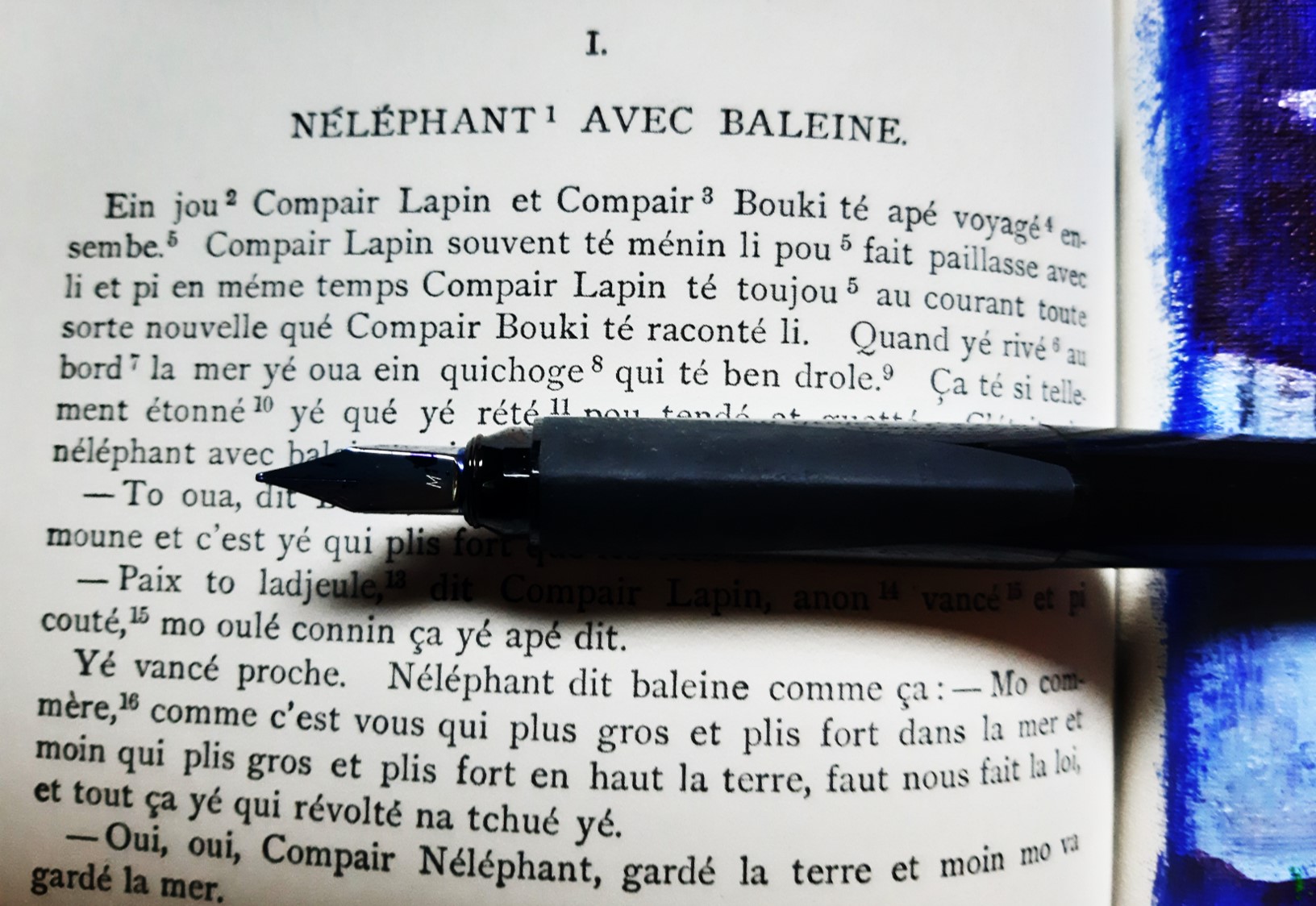
Reclaiming Our Stories
When the idea came to write this book I was hesitant to do it, for others have told the stories of Br’er Rabbit or Compair Lapin. In fact, there are many good books with stories of the trickster, and some of them have all the tales like Norman Marmillion’s amazing work (Compair Lapin: Br’er Rabbit & The Tar Baby).
One could argue that my book is redundant with all the other books around. So why did I choose to write it, and why should people buy it?
Why Did I Write This Book?
In addition to my deep love for the folktales of my people, what led me to write The Elephant and the Whale was, to my knowledge, a lack of Black authors. Most books with our stories are from people outside of our community, and some of these authors attribute them to other groups and cultures. Furthermore, I chose to write with the goal of spreading awareness and reintroducing the trickster rabbit to the Black American community. I have found that many of my people today do not know the tales of our ancestors, and this had led to the loss of a precious gift and resource.
In truth, Compair Lapin or Brer Rabbit is our inheritance, and my work is an act of joining the current efforts to reclaim it. There are a number of Black storytellers presenting our folktales in different ways, but much of it is public speaking and theatrical productions. With these things we also need to create engaging literature, and the book I have written is just that with its colorful words and illustrations.
Why Should People Buy This Book?
To my knowledge there are few to no Black authors writing children’s books on our classic folktales, and there are very few Black male authors writing children’s books in general; therefore, whoever buys this book would have something that is rare. They would also get a unique window into Louisiana’s Black-Creole culture and language, and have copies of paintings that I have made to illustrate the story. These paintings are in an African style to honor the folktale’s origins, and their colors and movement pair well with the text to bring each character to life. Moreover, those who buy this book will get a unique story of the trickster rabbit, for I have combined the North and South Louisiana versions for a unique retelling of The Elephant and the Whale.
But apart from all that has been said, those who buy this book will have the chance to become storytellers, and take part in spreading awareness about the beautiful inheritance of Black Americans. As they read this book to children they will share a legacy from past generations, and inspire upcoming generations with the timeless wisdom that it presents. Though this book is for all children I have written it with a special emphasis on Black children, for they often lack books by Black authors and stories from their community. Those who buy this book will have the chance to present Black children with these things, and be agents of encouragement for them as they face the joys and cares of life.
If you have not yet done so and would like to have a sneak peek of my upcoming children’s book, click on the cover below.
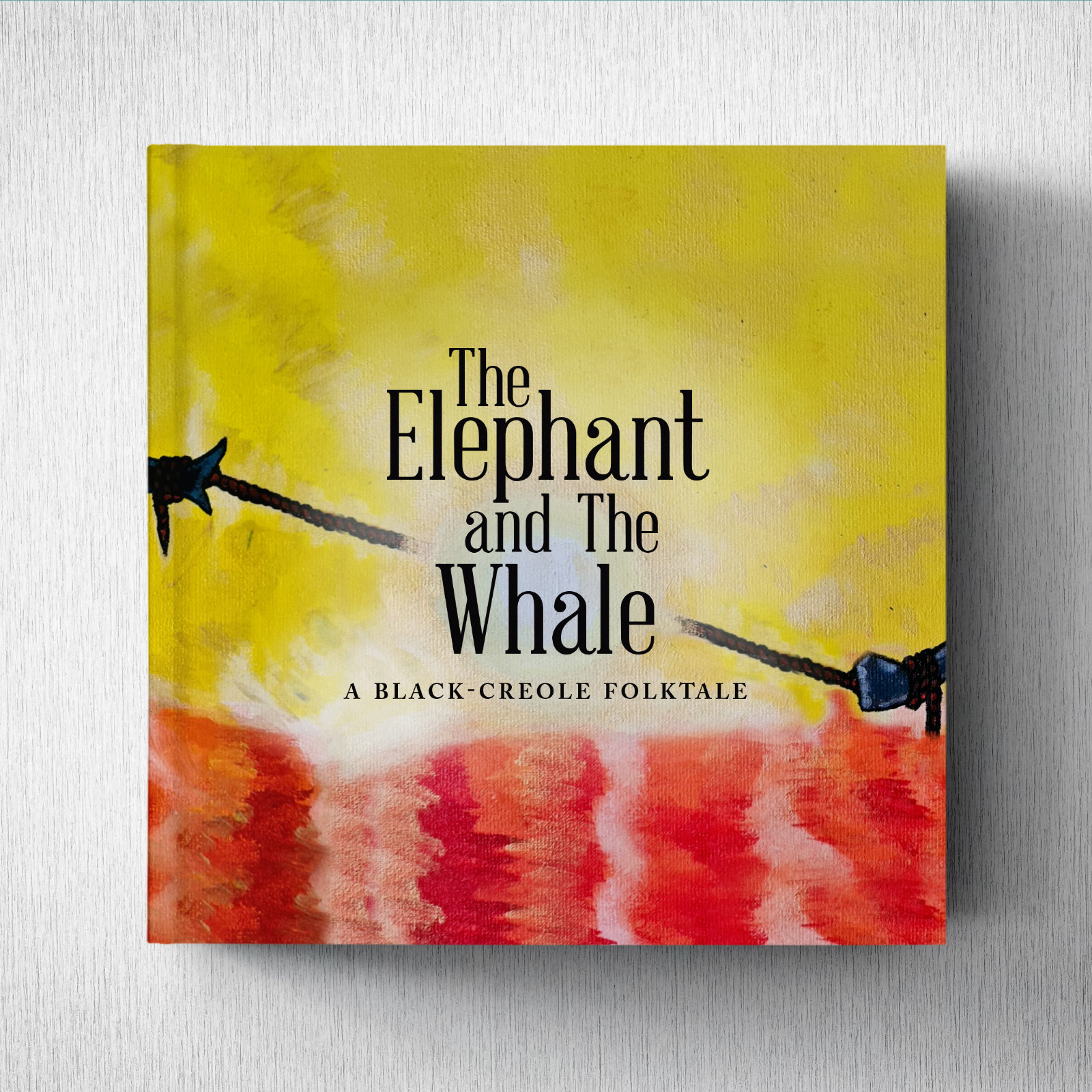
Cover image: “Nélephant avec Baleine Stylo”, © Scotty Williams
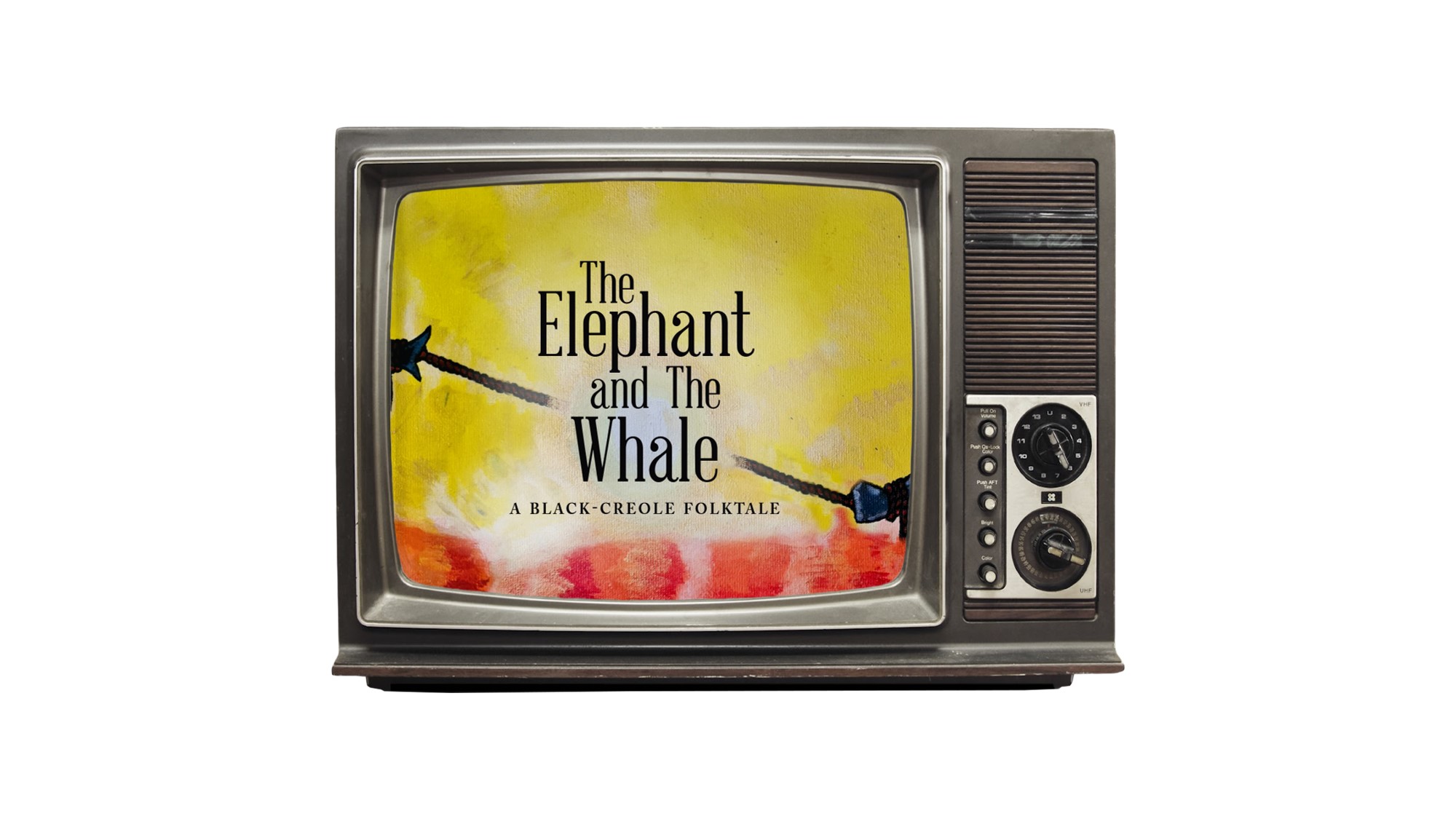
The Elephant and the Whale on Youtube
To help spread the word about my upcoming children’s book, I have made short promotional video. Check it out and, if you would be so kind, share it with others.
Cover image: “Elephant and Whale TV”, © Scotty Williams

The Elephant and the Whale
While growing up I heard many stories from my grandparents, and my most favorite were the traditional folktales of our people. These stories were passed down from our Senegambian ancestors, and I really loved the colorful tales of a trickster called Compair Lapin. Most people know of him as the infamous Br’er (Brother) Rabbit, who is always using wile and wit to escape the traps of Br’er Fox. But in South Louisiana, where my family is from, he has a sidekick named Bouki (the Wolof word for “hyena”), and together they make mischief on a host of great adventures.
My favorite Lapin story has always been, “The Elephant and the Whale”, which teaches the importance of having wisdom or a strong mind. To share the tale with my son I made paintings of it that decorate his room, and it is such a joy to watch him as he marvels at the characters.
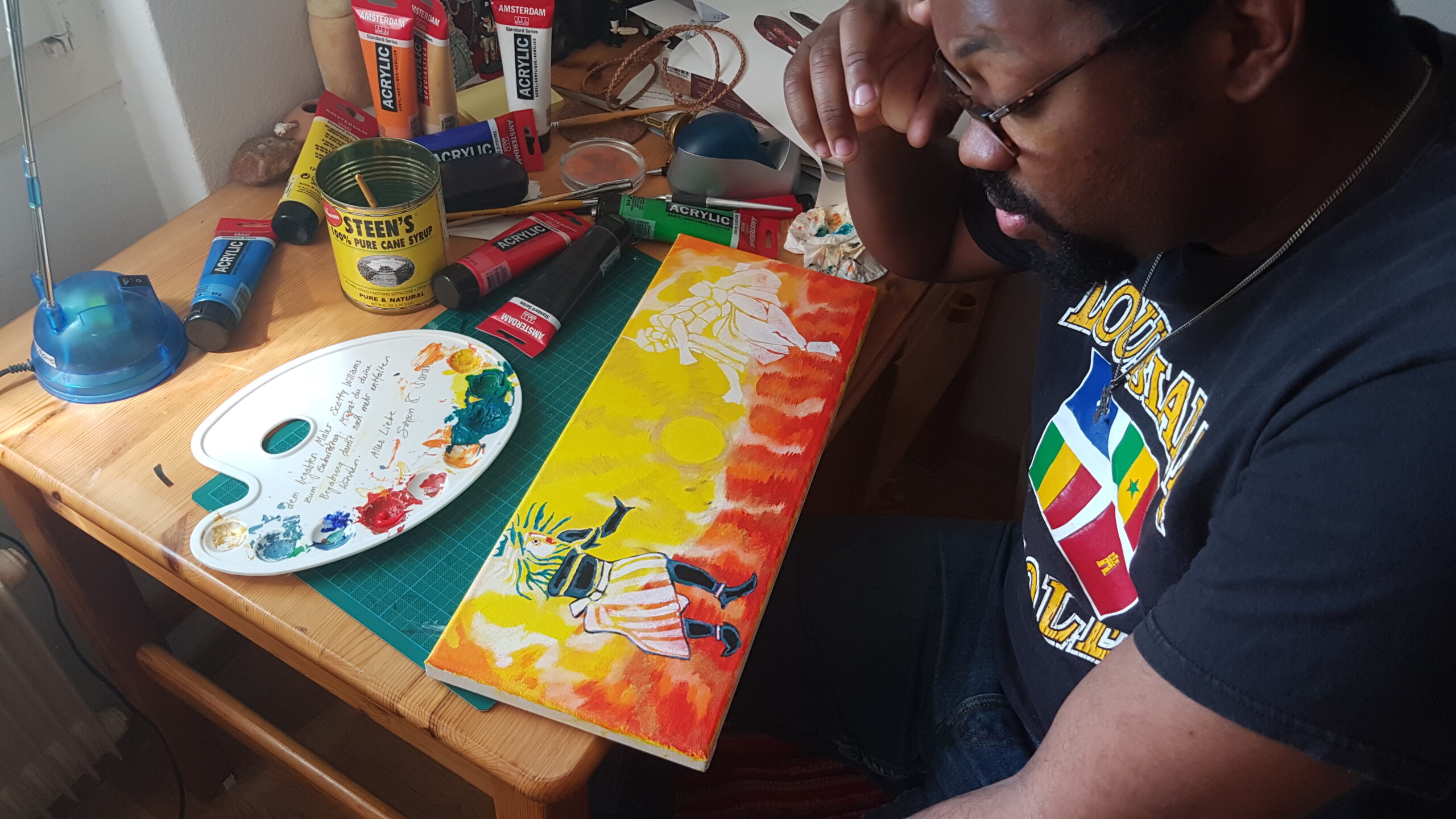
Each painting is in an African style to acknowledge the story’s origins, and to remember those who preserved it through the harsh realities of slavery. Though my foreparents found themselves stripped of their homeland and loved ones, they have gifted a great legacy that I wish to share with more than just my son.
I wish to share my favorite folktale and the paintings that I have made with other children, and especially Black children who are in need of stories by people like themselves. Therefore, I am happy to announce that I am publishing a children’s book this summer, and many thanks to Florian Walz and Eva Misinski for helping to make this possible.
More details are soon to come and will be posted on my website, but until then click on the cover below for a sneak peek of The Elephant and the Whale: A Black-Creole Folktale.
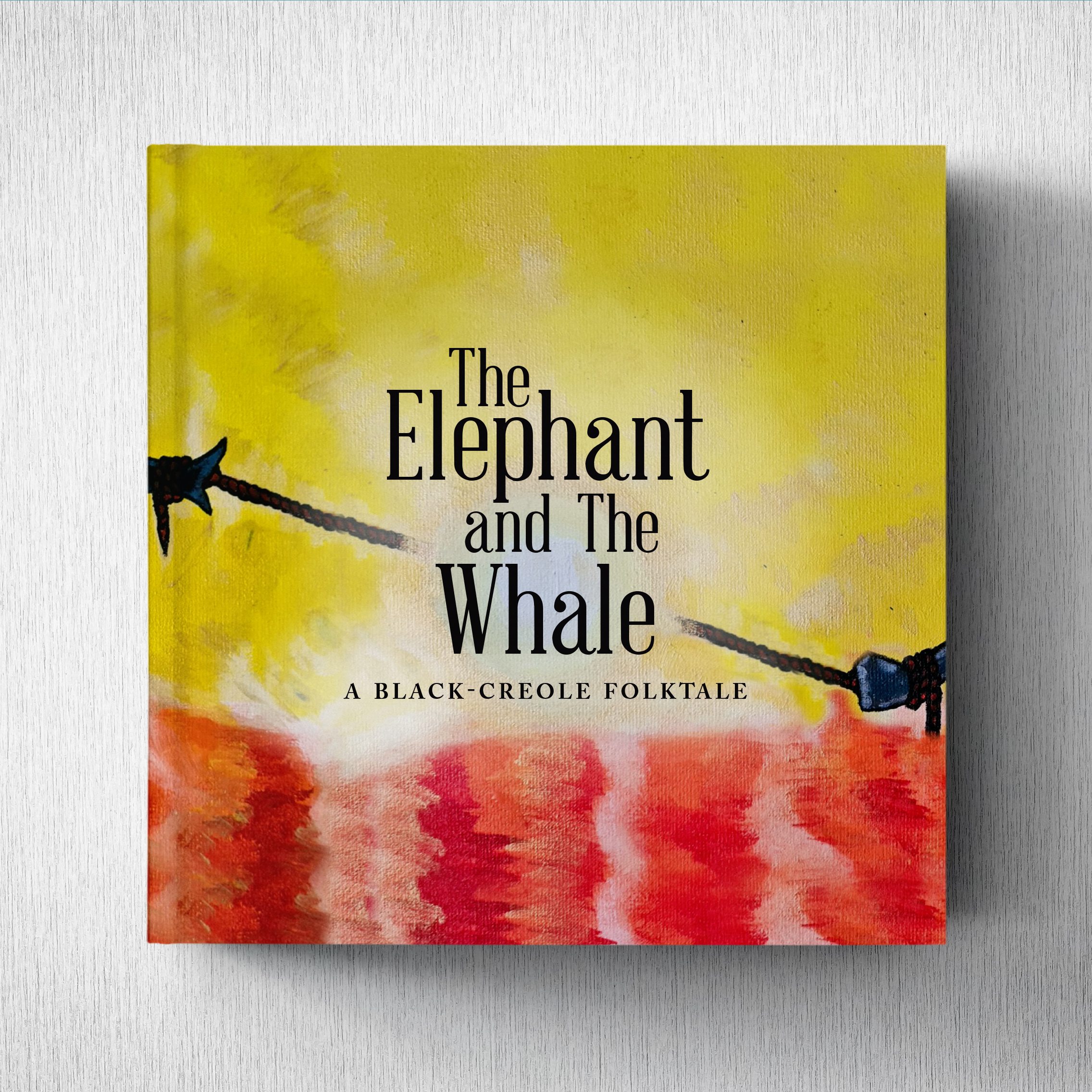
Cover image: “Elephant and Whale”, © Scotty Williams