

Kids In The Sun
Kids In The Sun
This poetic script about the meaning of hope, joy, peace, and love. It is featured on the band Noumuso’s album “Freequency Of Da Sun“.
(TWO CHILDREN ARE WALKING ALONG AND TALKING ABOUT THE MEANING OF HOPE, JOY, PEACE, AND LOVE. THEY SEE AN ADULT, AND THEN ASK THEM FOR ANSWERS.)
CHILD 1: LET’S ASK MR./MS. (LAST NAME).
CHILD 2: MR./MS. (LAST NAME), WHAT IS HOPE ?
ADULT: WHEN THINGS ARE GOING BAD AND YOU ARE WONDERING, “ARE THINGS GOING TO GET BETTER?”, HOPE IS THIS LITTLE VOICE, THAT COMES UP ON THE INSIDE AND SAYS, “ITS GOING TO BE BETTER, ITS GOING TO BE OK!”
CHILD 1: MR./MS. (LAST NAME) WHAT IS PEACE?
ADULT: PEACE IS A GIFT, LIKE GIVING A PRESENT TO SOMEONE , AND THAT GIFT IS THAT I WILL TREAT YOU THE WAY THAT I WANT TO BE TREATED SO THINGS CAN BE GOOD FOR YOU. PEACE IS A GIFT.
CHILD 2: MR./MS. (LAST NAME) WHAT IS LOVE?
ADULT: LOVE IS A DECISION. IT’S NOT A FEELING, IT’S A DECISION. AND IT’S A
DECISION TO GIVE PEACE TO SOMEONE. LOVE IS WHEN YOU DECIDE TO SAY, “I’M GOING TO TREAT YOU THE WAY I WANT TO BE TREATED, SO THAT THINGS CAN BE GOOD FOR YOU.” SO LOVE IS THE DECISION TO GIVE THAT GIFT CALLED PEACE.
CHILD 1: MR./MS. (LAST NAME), WHAT IS JOY?
ADULT: JOY IS THE DECISION TO LISTEN TO THAT VOICE CALLED HOPE. SO WHEN HOPE SAYS: ITS GOING TO BE OK, JOY IS SAYING: ALRIGHT, IT IS GOING TO BE OK. JOY IS LISTENING TO THE VOICE OF HOPE………SO WHAT DO YOU THINK JOY IS?
CHILD 1 AND CHILD 2: LOVE, PEACE, HOPE AND PLAYING IN THE SUN!
(ADULT AND CHILDREN SAY THE CLOSING LINES IN A RAP STYLE TO THE MUSIC. THEY WILL REPEAT THEM THREE OR FOUR TIMES)
ADULT: LET THE KIDS BE KIDS, KIDS IN THE SUN!
CHILD 1 AND CHILD 2: WE LAUGH, WE PLAY, WE DANCE, WE RUN!
This poem is © Scotty J. Williams


But Some Doubted....A Monopoly on Truth?
Fear and Trembling
A Monopoly on Truth?
In January of 2022 the University of Fribourg released a docuseries titled, Furcht und Zittern: Wer hat Angst vor Evangelikalen? For the fourth episode I spoke with Dr. Oliver Dürr about Evangelicalism and truth.
Can I Preach in German? JA!
Can I preach in German? JA!
Jesus und Unsere Probleme (Jesus and Our Problems)
Matthäus 5, 1-12 (Matthew 5:1-12)
St. Ulrich Kirche, Wittenbach
January 29, 2017
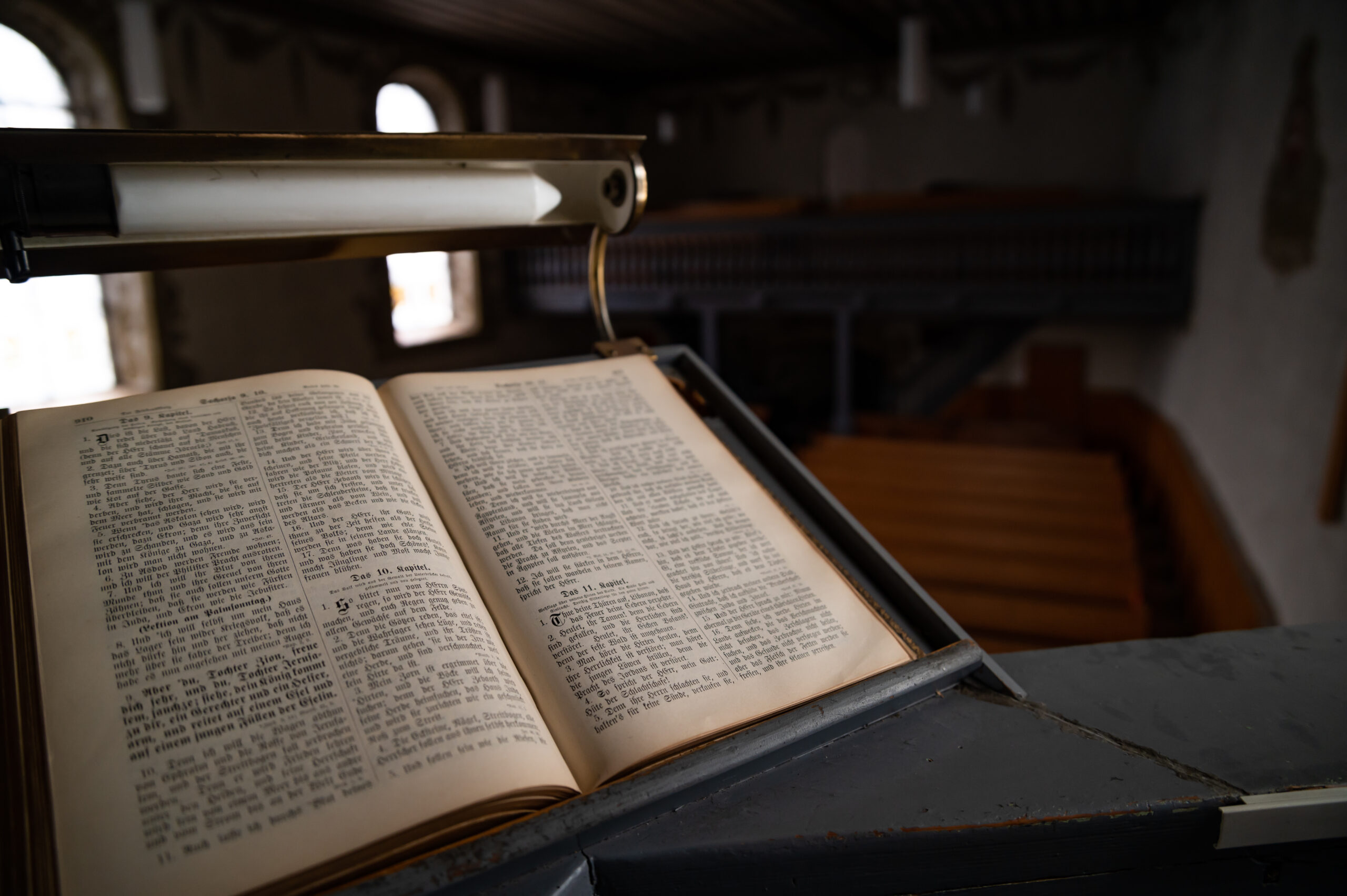
Though I mainly preach in English, I am occasionally asked to do so in German. Here is a sermon that I gave “auf Deutsch” at the Kirche St. Ulrich of Wittenbach.
Why are Christians of Color leaving White Churches?
Why are Christians of Color leaving White Churches?
Doubters/Believers Alliance
August 1, 2021
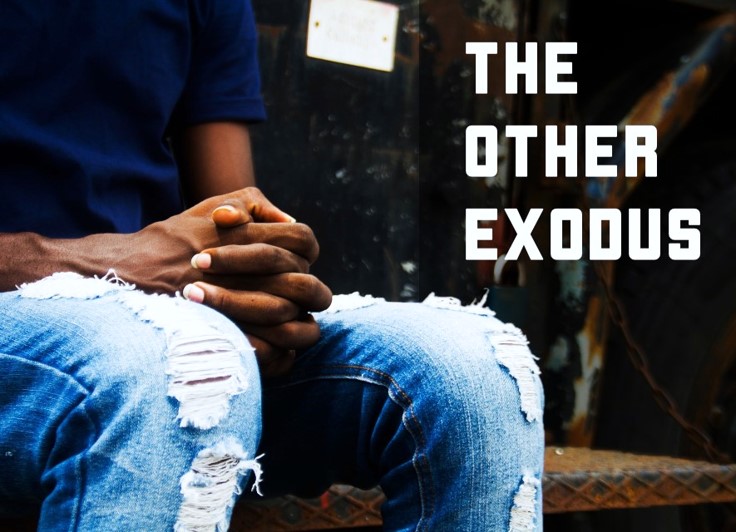
A significant number of People of Color in White congregations/denominations, in the Unite State and Europe, have begun to leave. Why are they leaving and where they they going? On August 1, 2021 I was invited to speak on this issue at the Doubters/Believers Alliance of Minneapolis, MN.
Deconstruct everything, but keep the good!
Fear and Trembling
Who is afraid of Evangelicals?
In January of 2022 the University of Fribourg released a docuseries titled, Furcht und Zittern: Wer hat Angst vor Evangelikalen? For the third episode, which focuses on Deconstruction, I was interviewed by Dr. Oliver Dürr. During the interview I shared my thoughts on what former Evangelicals should keep as they leave Evangelicalism.
What Black History Month Means To Black People
For this year’s Black History Month I am reading Bouki Fait Gombo, which tells the story of enslaved people on the German Coast of Louisiana. This book is a page turner that I highly recommend, for its author, Ibrahima Seck, does more than account atrocities. While speaking of the hardships that Louisiana’s slave community endured, he depicts them as more than victims of a dehumanizing enterprise. Seck shows these men, women, and children as a bold community who resisted attempts to erase their past by creating powerful traditions. Traditions that their descendants, like me, continue to observe this very day. Traditions that are, in the words of Cornel West, buffers which ward off hopelessness.
While visiting the Whitney Plantation last summer, where I purchased Seck’s book in the gift shop, I thought about the buffers that have shielded me since childhood. One of them is the Easter Rock Vigil of Louisiana’s Black Baptist tradition, which is filled with echoes of Africa cleverly wrapped in Christian symbols. Slave owners had forbidden their captives to express things from their homeland, but they resisted through a table laden with cakes and bright laterns. They proclaimed who they were through a rhythmic shuffling with coloful banners, and reminded themselves of the days before they came to be called Negroes. These traditions said, “You were once Bambara, Mina, Igbo, Ewe, and so forth, and you worked fields that belonged to you and enjoyed the fruits of your labor.” Each practice also compelled them to resurrect their former selves, and with faith and works pursue the freedom they were robbed of as Africa was robbed of them.
Indeed, buffers like the Easter Rock Vigil have shielded me since childhood, and during Black History Month I join my people in celebrating their protection. This is a time of more than highlighting the most famous names among us, but a moment where we ward off hopelessness with heirlooms from generations past. Furthermore, we remember that we do not stand on our own, but are standing on the shoulders of men, women, and children whose voices continue to speak to us. We hear our forefathers when we cook family recipes and eat the foods that they created. We hear our foremothers when we sing and speak and recall the songs and proverbs that they composed. We hear them laugh in our laughter, weep in our weeping, pray in our praying, and groan in our groaning. And their voices pull us close to them and rescue us from hopelessness.
There was a saying among Black-Creole slaves, from whence Seck got the title of his book, that goes:
Bouki fait gombo, Lapin mangé li.
The goat makes gombo, but the rabbit eats it.
In other words, it is a warning to not forget where the things we enjoy come from, and during Black History Month my people heed these words while enjoying beloved traditions. These treasures that shield and raise us up were forged long before the plantations. They were forged in the land where we were once free, and before we were called Negroes. I hope that we will have the courage to pass them on like those before us, and that one day our voices will be heard as future generations stand on our shoulders. I also hope that in the present we would not, as Peter Gomes once said, “colonize” the past or put aside what we have become and are becoming as we remember who we once were.
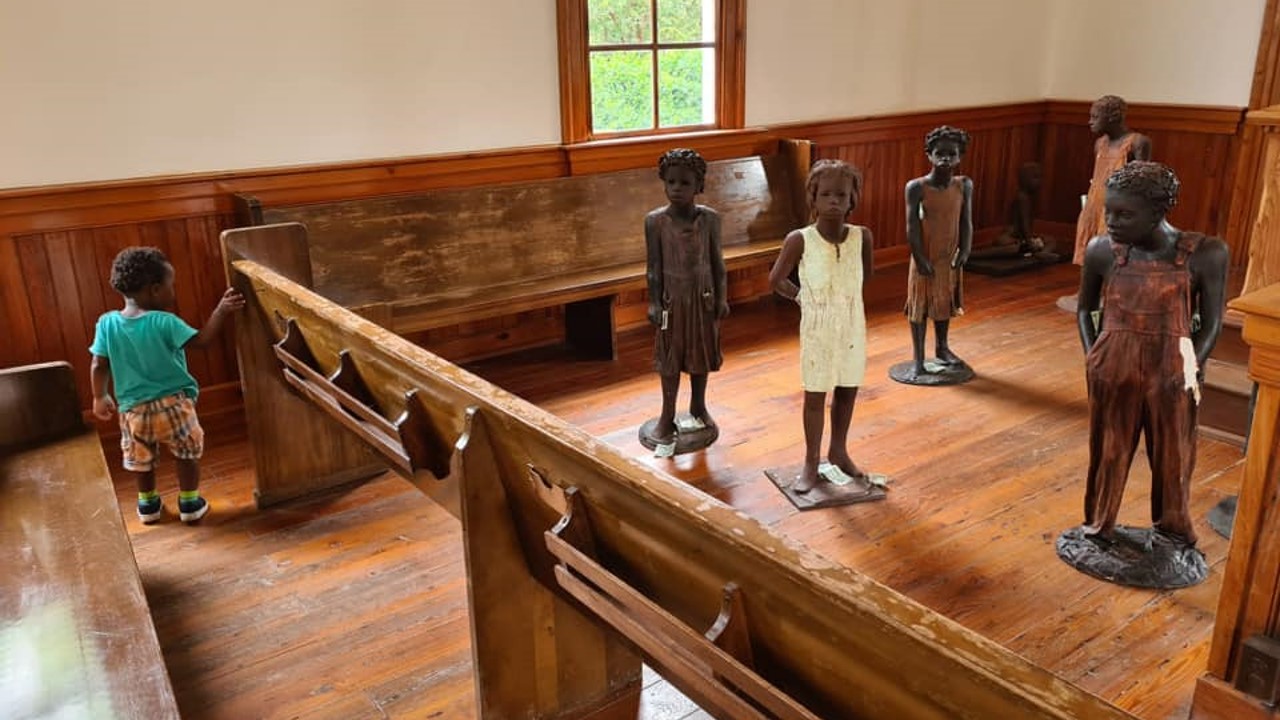
Despite the things taken away by slavery and other ills, we have forged and are forging an identity on our own terms and in our own way. We have built and are building amazing things that have made and are making the world better, and we are answering our ancestors’ prayers which still echo on southern Plantations. At Whitney I saw this as my son walked past exhibits and looked upon statues of children, some possibly relatives, who once lived there. He displayed a happiness that they once dreamed of having, and watching this I said, “Amen”, and felt their joy and gratitude.
Many Are Called, But Few Are Chosen
Many Are Called, But Few Are Chosen
October 11, 2020
Kirche Rotmonten, St. Gallen
Exodus 32:1-8 and Matthew 22:1-14
The First Will Be Last, And The Last Will Be First
The First Will Be Last, And The Last Will Be First
September 20, 2020
Kirche Rotmonten, St. Gallen
Jonah 3:6-4:2 and Matthew 20:1-16

How Many Times Should I Forgive?
How Many Times Should I Forgive?
September 13, 2020
Kirche Rotmonten, St. Gallen
Psalm 130:1-8 and Matthew 18:21-35
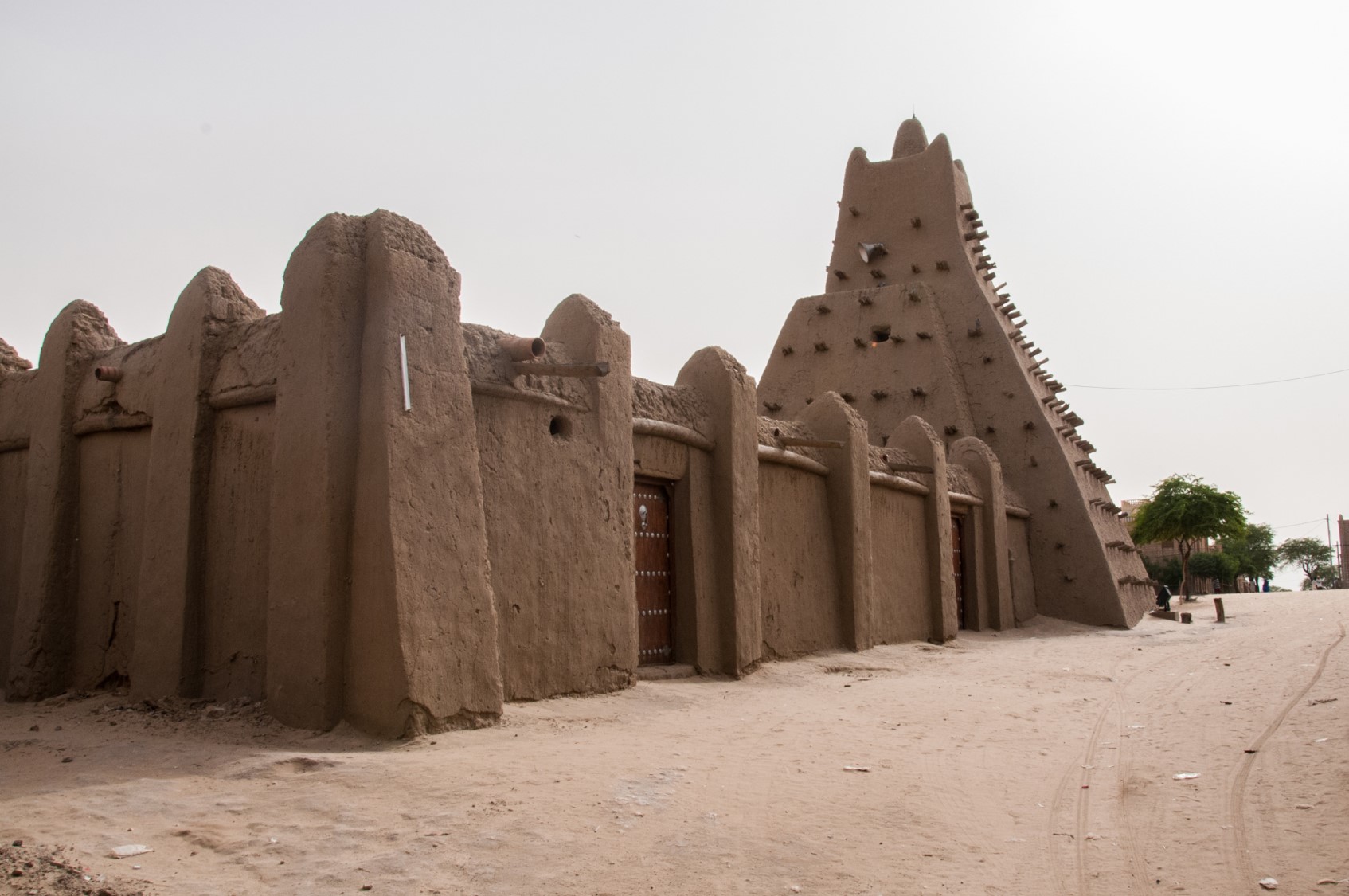
African Empires IV
Muslim Kingdoms
African Empires IV
This is the fourth and final part of a lecture series on African Empires that I did for Youth Engagement St. Gallen. The topic for this particular lecture was the Muslim Kingdoms of West Africa.